The Magic of Brewing Tea in a Samovar
There is something truly enchanting about the ritual of brewing tea in a samovar. This traditional Russian tea-making device is not just a tool for making tea; it is a symbol of hospitality, community, and warmth. From its intricate design to the rich flavors it produces, the samovar holds a special place in the hearts of tea enthusiasts around the world. Let’s delve into the magic of brewing tea in a samovar and discover why this centuries-old practice continues to captivate tea lovers today.
The Legacy of the Samovar
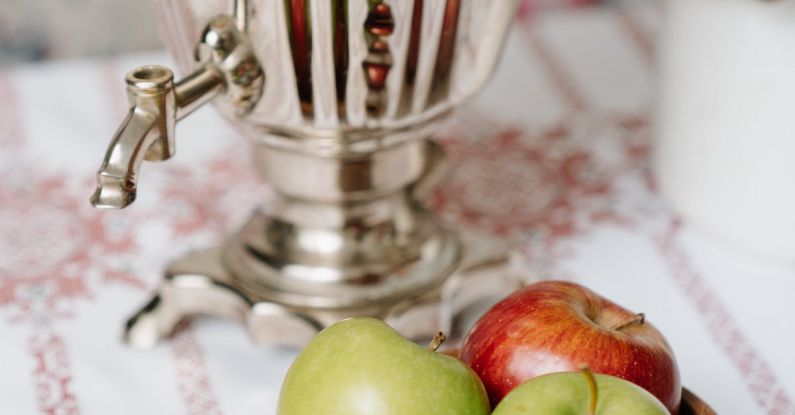
The samovar has a long and storied history that dates back to 18th century Russia. Originally designed as a metal container for boiling water, the samovar evolved over time to become a symbol of Russian culture and tradition. Its ornate design, often adorned with intricate patterns and embellishments, reflects the craftsmanship and artistry of the artisans who create these beautiful pieces.
The Magic of Slow Brewing
One of the key aspects that sets brewing tea in a samovar apart from other methods is the slow brewing process. Unlike traditional teapots that quickly steep tea leaves in hot water, the samovar allows the tea to slowly infuse, resulting in a more nuanced and flavorful brew. This slow brewing method extracts the essence of the tea leaves, creating a rich and robust flavor profile that is unmatched by other brewing techniques.
The Art of Tea Making
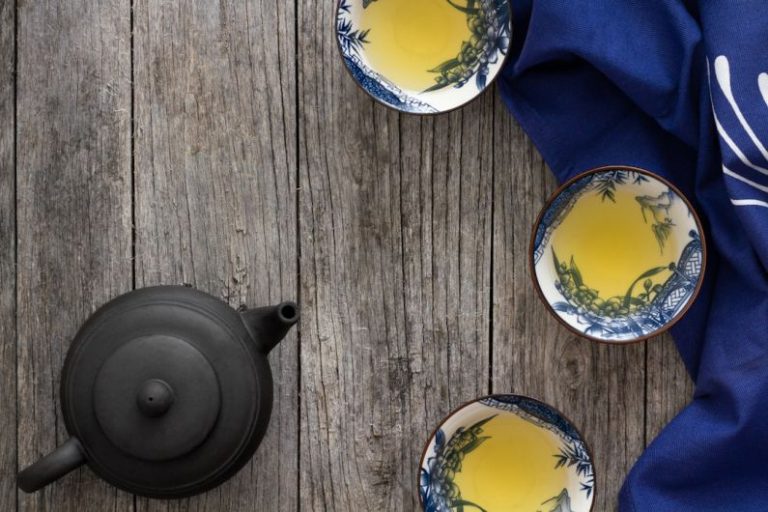
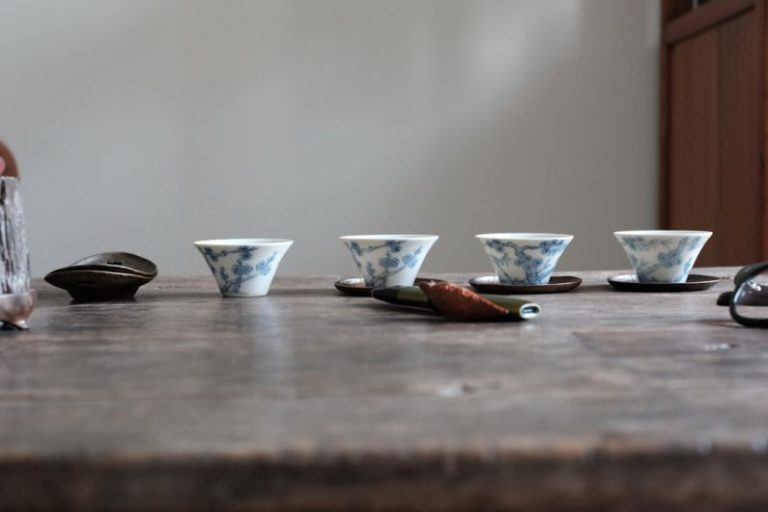
Brewing tea in a samovar is not just about the end result; it is about the experience itself. From the gentle hiss of steam escaping the samovar to the aroma of freshly brewed tea filling the room, every step of the process is a sensory delight. The act of pouring tea from the samovar into delicate cups is a ritual that brings people together, fostering a sense of connection and camaraderie.
The Social Aspect
In many cultures, the samovar is more than just a tea-making device; it is a symbol of hospitality and togetherness. In Russia, the act of brewing tea in a samovar is often accompanied by lively conversation, laughter, and shared moments with loved ones. The samovar serves as a focal point for social gatherings, bringing people together to connect and unwind over a steaming cup of tea.
The Versatility of the Samovar
While the traditional samovar is designed for brewing tea, modern variations offer increased versatility. Some samovars come equipped with compartments for keeping tea warm or even brewing different types of tea simultaneously. This adaptability makes the samovar a versatile tool for tea enthusiasts who appreciate convenience without compromising on quality.
Embracing Tradition in a Modern World
In today’s fast-paced world, the act of brewing tea in a samovar offers a welcome respite from the hustle and bustle of daily life. It encourages us to slow down, savor the moment, and appreciate the simple pleasures that tea can bring. Whether enjoyed alone or shared with others, brewing tea in a samovar is a timeless tradition that reminds us of the importance of taking a pause and enjoying life’s small joys.
In Conclusion
The magic of brewing tea in a samovar lies not only in the exquisite flavors it produces but also in the sense of connection and tradition it fosters. From its rich history to its modern adaptations, the samovar continues to captivate tea enthusiasts around the world with its timeless charm. So, the next time you brew a pot of tea, consider the magic of using a samovar and experience the beauty of this centuries-old tradition for yourself.