Discovering the Moroccan Tea Set: Aesthetic and Functional
The Moroccan Tea Set: Aesthetic and Functional
Moroccan tea culture is steeped in tradition and hospitality, with the serving of tea being a significant part of social gatherings. At the heart of this tradition lies the Moroccan tea set, a beautiful and functional ensemble that embodies the artistry and warmth of Moroccan hospitality. From the intricate tea glasses to the ornate tea pot and tray, each piece in the set serves a specific purpose while adding a touch of elegance to the tea-drinking experience. Let’s delve into the world of the Moroccan tea set and explore its aesthetic and functional aspects.
Craftsmanship and Elegance
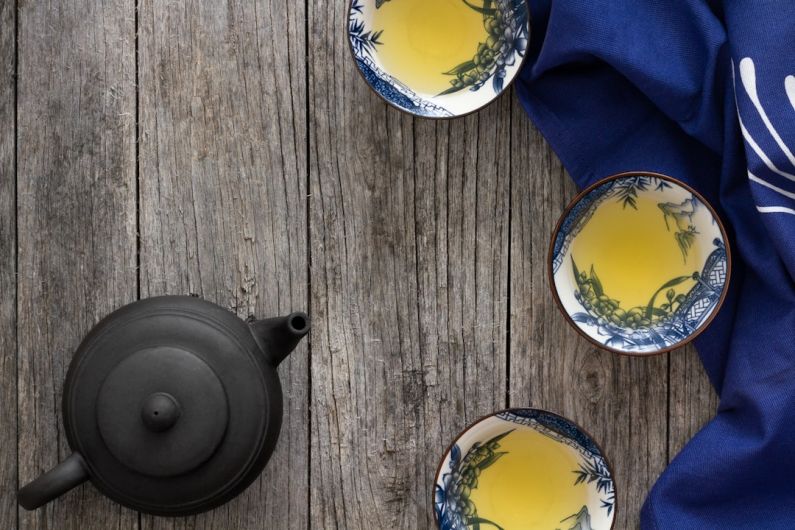
The Moroccan tea set is a reflection of the country’s rich artistic heritage, with each piece meticulously crafted by skilled artisans. The tea glasses, known as “glasses of tea” or “verres à thé,” are typically made of delicate glass adorned with colorful designs and intricate patterns. These glasses are not just vessels for tea but also serve as decorative pieces that enhance the visual appeal of the tea set.
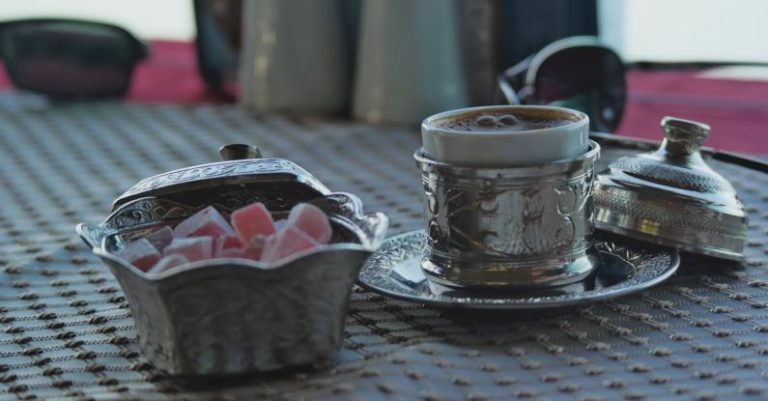
In addition to the tea glasses, the Moroccan tea set also includes a tea pot, known as “teapot” or “berrad,” and a tray, known as “sini.” The tea pot is often made of silver or brass and features elaborate engravings and designs that showcase the artisan’s attention to detail. The tray, usually made of metal or wood, serves as a platform for serving the tea glasses and adds a touch of sophistication to the overall presentation.
Functional Design and Ritual
Beyond their aesthetic appeal, each piece in the Moroccan tea set is designed with functionality in mind. The tea pot, for example, is designed to keep the tea hot for an extended period, allowing the host to serve multiple rounds of tea to guests. The long, curved spout of the tea pot is specifically crafted to ensure a smooth and controlled pour, minimizing spills and making the tea-serving ritual a seamless experience.
The tea glasses, on the other hand, are designed to be small in size, allowing the tea to be consumed while it is still hot. The intricate designs on the glasses not only add to their beauty but also serve a practical purpose – the patterns help to insulate the glass, preventing the heat from the tea from being transferred to the hand of the drinker.
Cultural Significance and Hospitality
The Moroccan tea set is more than just a collection of tea-serving utensils; it is a symbol of hospitality and friendship in Moroccan culture. The act of preparing and serving tea is a ritual that is deeply ingrained in Moroccan social customs, with tea being offered as a gesture of welcome and hospitality to guests.
The preparation of Moroccan mint tea, known as “atay nana,” is a cherished tradition that involves a precise method of brewing and pouring the tea to create a frothy layer on top of each glass. The tea is typically sweetened with sugar and infused with fresh mint leaves, creating a refreshing and aromatic beverage that is enjoyed throughout the day.
Embracing the Moroccan Tea Experience
Whether you are a tea enthusiast or simply appreciate the beauty of artisanal craftsmanship, the Moroccan tea set offers a unique and immersive tea-drinking experience that is both aesthetically pleasing and functional. From the intricate designs of the tea glasses to the elegant curves of the tea pot, each piece in the set tells a story of tradition, artistry, and hospitality.
Next time you find yourself in the company of friends or family, consider embracing the Moroccan tea experience and serving tea in a traditional Moroccan tea set. Allow the ritual of tea preparation and serving to unfold, savoring each moment as you partake in a centuries-old tradition that celebrates the beauty of Moroccan culture and the art of hospitality.