Tea and China: a Story of Cultures and Traditions
For centuries, tea has been an integral part of Chinese culture, intertwined with traditions that have shaped the country’s identity and influenced the world’s perception of this aromatic beverage. From the serene tea ceremonies to the bustling tea markets, China’s deep-rooted connection to tea reflects a rich tapestry of customs and practices that continue to thrive in the modern era.
The Origins of Chinese Tea Culture
The story of tea in China dates back thousands of years, with legends attributing its discovery to the mythical Emperor Shen Nong. According to lore, Shen Nong, known as the “Divine Farmer,” was said to have accidentally discovered tea when a tea leaf fell into a pot of boiling water. Intrigued by the aroma and taste of the infused water, he began to explore the medicinal properties of the beverage, eventually leading to its widespread cultivation and consumption.
Tea’s medicinal benefits soon caught the attention of Buddhist monks, who incorporated it into their daily rituals to aid in meditation and mindfulness. The act of brewing and serving tea became a sacred practice, with elaborate ceremonies designed to honor the spirit of the tea and foster a sense of harmony and tranquility.
The Art of Tea Making
In China, the art of tea making is considered a highly skilled craft, requiring precision, patience, and a deep understanding of the different varieties of tea. From delicate green teas to robust black teas, each type requires specific brewing techniques to bring out its unique flavors and aromas.
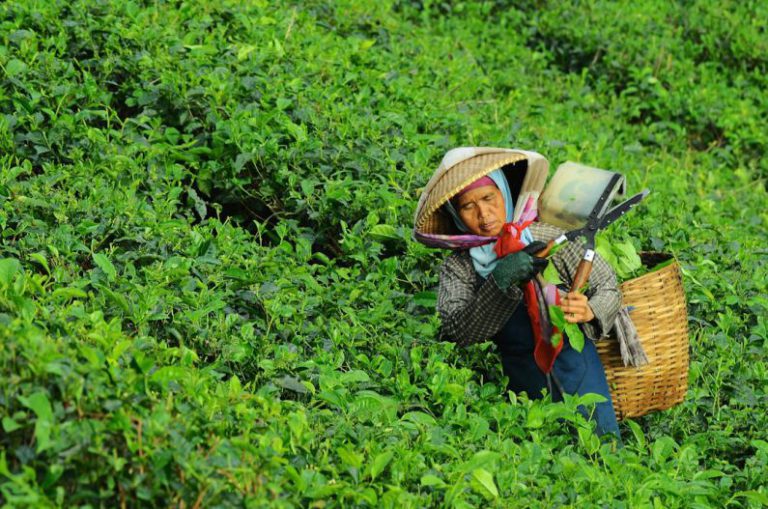
One of the most famous tea varieties in China is Longjing tea, also known as Dragon Well tea, which is grown in the picturesque hills surrounding Hangzhou. Renowned for its flat, jade-colored leaves and sweet, nutty taste, Longjing tea is often referred to as the national drink of China and is treasured for its smooth texture and lingering finish.
Tea Houses and the Art of Hospitality
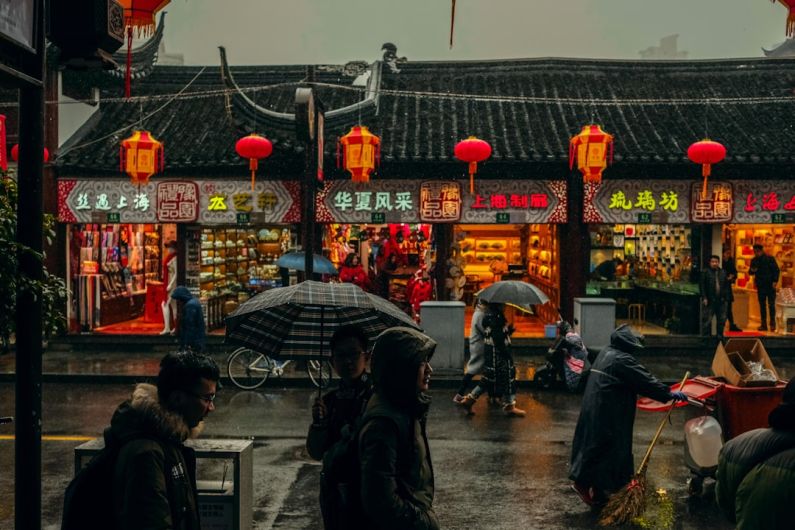
Tea houses have long been a central hub for social gatherings and cultural exchange in China, providing a welcoming space for friends and strangers alike to come together over a shared love of tea. These establishments range from humble street-side stalls to opulent teahouses adorned with intricate woodwork and traditional Chinese decor.
Visitors to a tea house can expect to be greeted with warmth and hospitality, as the act of serving tea is seen as a gesture of goodwill and respect. Tea masters, known for their expertise in brewing and serving tea, guide guests through the delicate rituals of tea preparation, creating a serene and contemplative atmosphere that encourages conversation and connection.
Tea and Chinese Festivals
Tea plays a significant role in Chinese festivals and celebrations, with specific teas often associated with particular events and traditions. During the Mid-Autumn Festival, for example, families gather to enjoy mooncakes and sip fragrant cups of osmanthus tea, a floral infusion believed to bring good luck and prosperity.
Similarly, the Spring Festival, or Chinese New Year, is marked by the exchange of gifts, including premium teas such as Da Hong Pao and Tieguanyin, which symbolize wealth and abundance. These teas are carefully selected for their quality and symbolism, reflecting the importance of tradition and heritage in Chinese culture.
Embracing Tea Culture in the Modern World
In recent years, China’s tea culture has experienced a resurgence, with a new generation of tea enthusiasts rediscovering the art of tea making and appreciation. Traditional tea ceremonies and practices are being reimagined for the modern age, blending ancient rituals with contemporary sensibilities to create a renewed interest in tea culture among young people.
Tea tourism has also emerged as a popular trend, with travelers from around the world flocking to China to explore its tea-growing regions and experience firsthand the artistry and craftsmanship behind each cup of tea. Whether sipping a fragrant oolong in a bustling tea market or participating in a tranquil tea ceremony, visitors are drawn to the immersive and sensory experience that tea culture offers.
In a fast-paced world dominated by coffee culture and instant gratification, the enduring allure of Chinese tea culture serves as a reminder of the value of slowing down, savoring the moment, and connecting with others through a shared appreciation for tradition and craftsmanship. As China continues to evolve and modernize, its timeless tea traditions remain a steadfast anchor, reminding us of the beauty and depth of a culture that has stood the test of time.