Agriculture and Ritual: the Role of Tea in Vietnamese Culture
Vietnam, a country known for its lush landscapes and rich cultural heritage, holds tea in high regard as an integral part of its social fabric. Beyond being a popular beverage, tea plays a significant role in Vietnamese rituals and traditions, weaving its way through various aspects of daily life. From cultivation to consumption, tea serves as a symbol of hospitality, respect, and connection in Vietnamese culture.
The Art of Tea Cultivation
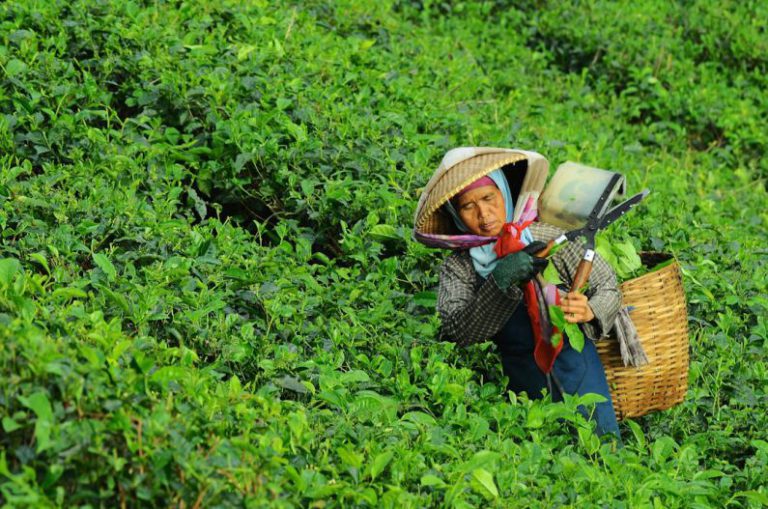
Tea cultivation in Vietnam dates back thousands of years, with the country being one of the world’s largest producers of tea. The regions of Thai Nguyen, Ha Giang, and Lam Dong are renowned for their tea plantations, where the art of growing and harvesting tea is deeply ingrained in the local communities. Tea farming is not just a livelihood but a way of life, with farmers passing down their knowledge and expertise through generations.
Tea cultivation in Vietnam is a labor-intensive process that involves meticulous care and attention to detail. From selecting the right tea cultivars to nurturing the plants through various stages of growth, each step is carried out with precision and skill. The result is a diverse range of teas, from delicate green teas to robust black teas, each with its unique flavors and aromas.
Tea in Vietnamese Rituals
Tea holds a special place in Vietnamese rituals and ceremonies, where it is used to symbolize respect, gratitude, and harmony. In traditional Vietnamese weddings, for example, the bride and groom offer tea to their parents as a gesture of appreciation and filial piety. The act of serving tea is a way to honor the elders and seek their blessings for the couple’s future together.
Tea also plays a central role in ancestor veneration, a practice deeply rooted in Vietnamese culture. During Lunar New Year celebrations and other important occasions, families offer tea to their ancestors as a sign of remembrance and reverence. The ritual of preparing and serving tea is a way to connect with the past and honor the spirits of the departed.
Tea Houses and Social Gatherings
Tea houses are a common sight in Vietnam, where locals gather to socialize, relax, and enjoy a cup of tea. These establishments serve as communal spaces where people from all walks of life come together to share stories, exchange ideas, and forge connections. Tea houses are not just places to drink tea but hubs of cultural exchange and camaraderie.
In Vietnamese culture, tea is more than just a beverage; it is a symbol of hospitality and friendship. When visiting someone’s home, guests are often greeted with a steaming pot of tea as a gesture of welcome and warmth. The act of serving tea is a way to show respect and appreciation for the guest, fostering a sense of kinship and camaraderie.
The Healing Power of Tea
In addition to its cultural significance, tea is valued for its health benefits in Vietnamese traditional medicine. Herbal teas made from ingredients like lotus seeds, chrysanthemum flowers, and ginger are believed to have medicinal properties that promote well-being and balance. Tea is not just a drink but a remedy, offering comfort and healing to those who partake in its brew.
In conclusion, tea holds a revered place in Vietnamese culture, serving as a bridge between the past and the present, the living and the deceased. From the meticulous art of cultivation to the communal act of sharing a cup of tea, this humble beverage embodies the spirit of hospitality, respect, and connection in Vietnamese society. Whether sipped in a bustling tea house or offered in a solemn ceremony, tea continues to be a cornerstone of Vietnamese traditions, a testament to the enduring bond between agriculture and ritual in this vibrant culture.