Exploring the Tea Plantations of Sri Lanka: the Story of Ceylon Tea
Nestled amidst the lush hills and verdant landscapes of Sri Lanka lie the breathtaking tea plantations that have come to define the island’s rich cultural heritage and economic prosperity. The story of Ceylon tea is a tale of resilience, innovation, and a deep-rooted connection to the land that has made Sri Lanka one of the world’s foremost tea-producing countries. Let’s embark on a journey to explore the fascinating world of Sri Lanka’s tea plantations and unravel the secrets behind the renowned Ceylon tea.
**The Origins of Ceylon Tea**
The history of tea cultivation in Sri Lanka dates back to the early 19th century when the British introduced the plant to the island. Initially, coffee was the primary crop grown by the British colonizers, but a devastating disease wiped out the coffee plantations, leading to a shift towards tea cultivation. James Taylor, a Scottish planter, is credited with establishing the first commercial tea plantation in Sri Lanka in the central highlands of Kandy. His pioneering efforts laid the foundation for the thriving tea industry that would soon become synonymous with the island nation.
**The Diverse Regions of Ceylon Tea**
Sri Lanka’s unique topography and climate contribute to the distinct flavors and characteristics of Ceylon tea. The country is divided into several key tea-growing regions, each renowned for producing teas with their own signature profiles. The central highlands, including Nuwara Eliya, Dimbula, and Uva, are known for their light and delicate teas with floral notes, while the low-country regions produce teas that are bold and full-bodied. The terroir of each region, combined with the expertise of the tea producers, results in a diverse range of teas that cater to every palate.
**The Art of Tea Plucking**
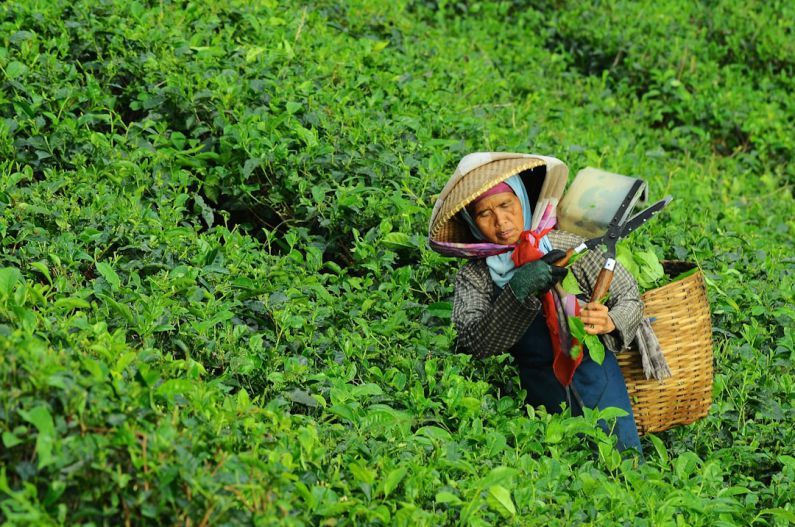
Tea cultivation in Sri Lanka is a labor-intensive process that requires skilled workers to hand-pluck the delicate tea leaves with precision. The art of tea plucking is passed down from generation to generation, with experienced tea pluckers knowing exactly which leaves to harvest to ensure the highest quality tea. The pluckers move swiftly through the rows of tea bushes, deftly selecting only the top two leaves and a bud, which are then carefully collected in baskets before being transported to the processing factories.
**From Leaf to Cup: The Tea Manufacturing Process**
Once the tea leaves are harvested, they undergo a meticulous manufacturing process to transform them into the fragrant brew that is enjoyed by millions around the world. The leaves are withered, rolled, oxidized, and dried, with each step influencing the final flavor profile of the tea. The expertise of the tea masters is crucial in determining the quality of the tea, as they carefully monitor the process to ensure that the leaves are treated with the utmost care and attention to detail.
**The Global Impact of Ceylon Tea**
Over the years, Ceylon tea has gained international recognition for its exceptional quality and unique flavor profiles. Sri Lanka is one of the largest exporters of tea in the world, with Ceylon tea being prized for its briskness, brightness, and versatility. The global demand for Ceylon tea continues to grow, with tea lovers across the globe appreciating the superior taste and aroma of this iconic beverage.
**Embracing the Tea Culture of Sri Lanka**
Tea is more than just a beverage in Sri Lanka; it is a way of life that is deeply ingrained in the cultural fabric of the island. The traditional tea ceremony, known as “dada bima,” is a ritual that showcases the art of tea-making and the importance of hospitality in Sri Lankan culture. Visitors to the tea plantations have the opportunity to immerse themselves in this age-old tradition, gaining a deeper appreciation for the craftsmanship and artistry that goes into producing Ceylon tea.
**A Taste of Tradition: Experiencing Ceylon Tea**
For those seeking to delve into the world of Ceylon tea, a visit to the tea plantations of Sri Lanka is a must. The rolling hills, misty landscapes, and vibrant greenery provide a picturesque backdrop for exploring the origins of this beloved beverage. Visitors can tour the tea factories, participate in tea tastings, and even try their hand at tea plucking, gaining firsthand insight into the intricate process of tea production. A visit to the tea plantations is not just a journey of the senses but a voyage into the heart of Sri Lanka’s tea culture.
**Unveiling the Mystique of Ceylon Tea**
As we traverse the tea plantations of Sri Lanka, we uncover the mystique and allure of Ceylon tea, a beverage that transcends borders and cultures to unite tea lovers around the world. From the verdant fields where the tea leaves are lovingly plucked to the teacups that brim with the aromatic brew, Ceylon tea embodies the essence of Sri Lanka’s beauty and bounty. So, raise a cup of Ceylon tea and savor the flavors of this exquisite brew, knowing that each sip carries within it the legacy of a centuries-old tradition that continues to enchant and delight tea enthusiasts everywhere.