The Delicate Balance of White and Green: the Beauty of Yellow Tea
Nestled between the realms of white and green tea lies a hidden gem known as yellow tea. A rare and exquisite variety, yellow tea captures the essence of both its counterparts while offering a unique and captivating flavor profile that sets it apart in the world of tea. In this article, we will delve into the intricacies of yellow tea, exploring its history, production process, flavor characteristics, and the art of brewing this delicate beverage.
Unveiling the Origins of Yellow Tea
Yellow tea traces its origins back to ancient China, where it was revered by emperors and nobility for its subtle yet complex flavors. Dating back over a thousand years, yellow tea was originally crafted as a tribute tea, symbolizing elegance and refinement. Known for its meticulous production process, yellow tea undergoes a unique oxidation and fermentation method that sets it apart from its counterparts. This intricate process imbues yellow tea with a distinctive aroma and taste that connoisseurs around the world have come to appreciate.
The Intricate Production Process
Yellow tea is crafted with precision and care, showcasing the skill and expertise of tea artisans. After the leaves are plucked, they undergo a brief withering process to remove excess moisture. The leaves are then gently heated to halt oxidation, a step that distinguishes yellow tea from green tea. Following this, the leaves are wrapped in special cloths to undergo a period of oxidation, allowing the flavors to mellow and develop. This meticulous process results in a tea that is smooth, fragrant, and nuanced, with a delicate balance of flavors that is truly unique.
Unraveling the Flavor Profile
Yellow tea offers a sensory experience like no other, with a flavor profile that is both subtle and complex. The infusion of yellow tea reveals a pale golden hue, reminiscent of sunlight filtering through a forest canopy. The aroma is fresh and grassy, with hints of sweet hay and subtle floral notes dancing on the air. On the palate, yellow tea is mild and smooth, with a gentle sweetness that lingers on the tongue. The flavor is delicate yet nuanced, with notes of chestnut, honey, and a whisper of earthiness that adds depth to each sip. Yellow tea is a harmonious blend of flavors, striking a delicate balance between sweetness and vegetal notes that is truly enchanting.
Brewing the Perfect Cup
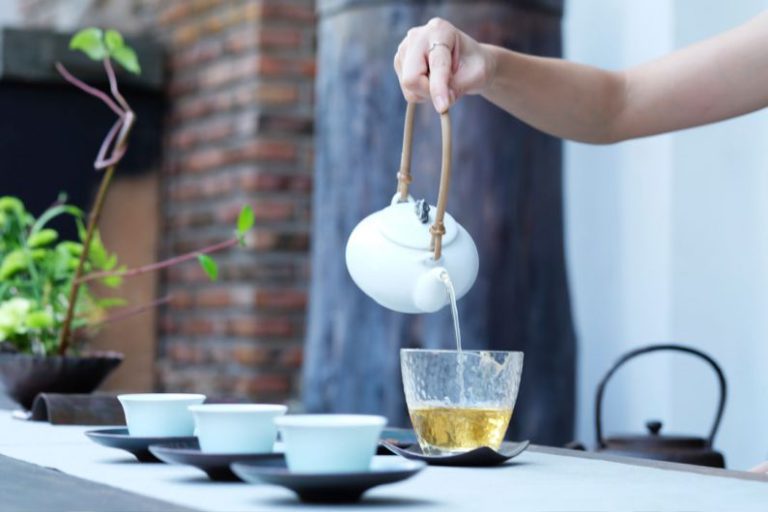
Brewing yellow tea requires a gentle touch and a keen eye for detail. To unlock the full potential of its flavors, it is essential to use water that is just below boiling to avoid scalding the delicate leaves. Yellow tea should be steeped for a brief period, typically around two to three minutes, to ensure that the flavors are balanced and harmonious. When brewed correctly, yellow tea offers a smooth and refreshing cup that is perfect for savoring on a quiet afternoon or sharing with friends.
Embracing the Elegance of Yellow Tea
In a world filled with an array of tea varieties, yellow tea stands out as a rare and exquisite gem that captures the essence of both white and green tea. Its delicate flavors, nuanced aromas, and meticulous production process make it a tea worth savoring and appreciating. Whether enjoyed on its own or paired with light snacks, yellow tea embodies elegance and sophistication in every cup. So, next time you seek a tea that is as beautiful as it is flavorful, consider indulging in the subtle charms of yellow tea.