A Haiku for Chashaku: the Japanese Tea Scoop
The Chashaku: A Delicate Dance of Tea
In the serene world of Japanese tea ceremonies, every element holds significance and symbolism. Among the carefully curated tools used in this ritualistic practice, the chashaku stands out as a symbol of grace, precision, and respect. This slender bamboo tea scoop is more than just a utensil; it is a conduit for mindfulness and intention.
**Craftsmanship and Tradition**
Crafted from a single piece of bamboo, the chashaku is a testament to the skill and artistry of Japanese artisans. The process of creating a chashaku is meticulous, requiring patience and precision. The bamboo is carefully selected for its quality and strength, then shaped and carved into the elegant form that is synonymous with Japanese tea culture. Each chashaku is unique, bearing the marks of its maker and reflecting the natural beauty of the bamboo from which it is crafted.
**The Dance of the Chashaku**
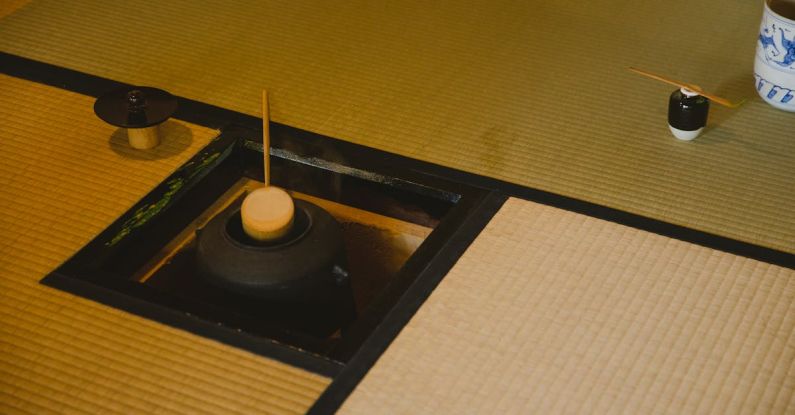
In the hands of a skilled tea practitioner, the chashaku becomes an extension of their being. The delicate scoop is used to measure out the perfect amount of matcha powder, a task that requires a steady hand and a keen eye. The motion of the chashaku as it glides through the vibrant green powder is akin to a dance, a choreographed movement that embodies grace and intention.
**Mindfulness in Every Scoop**
The act of using a chashaku is not merely functional; it is a practice in mindfulness. As the tea practitioner scoops the matcha powder, they do so with purpose and awareness, focusing all their attention on the task at hand. Each movement is deliberate, each scoop measured, creating a sense of presence and tranquility in the tea ceremony.
**Symbolism and Significance**
Beyond its practical use, the chashaku carries deep symbolism in Japanese tea culture. The gentle curve of the scoop represents the flow of water, a vital element in the preparation of tea. The simplicity of its design reflects the Zen principles of humility and simplicity, reminding practitioners to approach the ritual with reverence and respect. In the hands of a tea master, the chashaku becomes a tool for connection – to the tea, to the moment, and to the spirit of the ceremony.
**The Chashaku as a Teacher**
In the world of Japanese tea ceremonies, the chashaku is not just a tool; it is a teacher. Through the practice of using the chashaku, tea practitioners learn valuable lessons in patience, precision, and mindfulness. The act of scooping matcha becomes a meditation, a way to cultivate inner stillness and focus in a world filled with distractions.
**A Haiku for Chashaku**
In the quiet room,
Bamboo scoop dances with grace,
Tea ceremony.
**In Conclusion: A Tribute to the Chashaku**
As we delve into the world of Japanese tea ceremonies, the chashaku emerges as a symbol of tradition, mindfulness, and connection. This humble bamboo scoop embodies the essence of the tea ceremony, teaching us valuable lessons in presence, respect, and grace. With each scoop of matcha, the chashaku invites us to slow down, to savor the moment, and to appreciate the beauty of simplicity. In a world filled with noise and distractions, the chashaku stands as a reminder to find stillness and meaning in the simplest of gestures.