Darjeeling Tea: the Champagne of Teas
Nestled in the foothills of the Himalayas lies the picturesque town of Darjeeling, known for producing one of the most exquisite teas in the world – Darjeeling tea. Often referred to as the “Champagne of Teas,” this unique beverage has captivated tea enthusiasts with its delicate flavors and distinct characteristics. Let’s delve into the world of Darjeeling tea and uncover what makes it so special.
**The Origin of Darjeeling Tea**
Darjeeling tea has a rich history that dates back to the mid-19th century when the British established tea plantations in the region. The cool climate, high altitude, and fertile soil of the Darjeeling hills create the perfect conditions for cultivating tea bushes that produce the finest leaves. These factors contribute to the distinct flavor profile that sets Darjeeling tea apart from other varieties.
**The Champagne of Teas**
Often compared to champagne due to its sophistication and complexity, Darjeeling tea is revered for its floral aroma, muscatel flavor, and astringent finish. The first flush Darjeeling tea, harvested in the spring, is particularly sought after for its light and fragrant notes. The second flush, picked in the summer, offers a more robust and fruity flavor profile. With each sip, Darjeeling tea unfolds a symphony of flavors that dance on the palate, making it a truly luxurious experience.
**Cultivation and Harvesting**
Darjeeling tea is primarily cultivated in small, family-owned gardens that adhere to traditional methods of cultivation. The tea bushes are meticulously tended to by skilled workers who hand-pluck the delicate leaves, ensuring only the finest quality leaves are selected. The timing of the harvest is crucial, with the first flush and second flush teas commanding the highest prices due to their superior quality and nuanced flavors.
**Brewing the Perfect Cup**
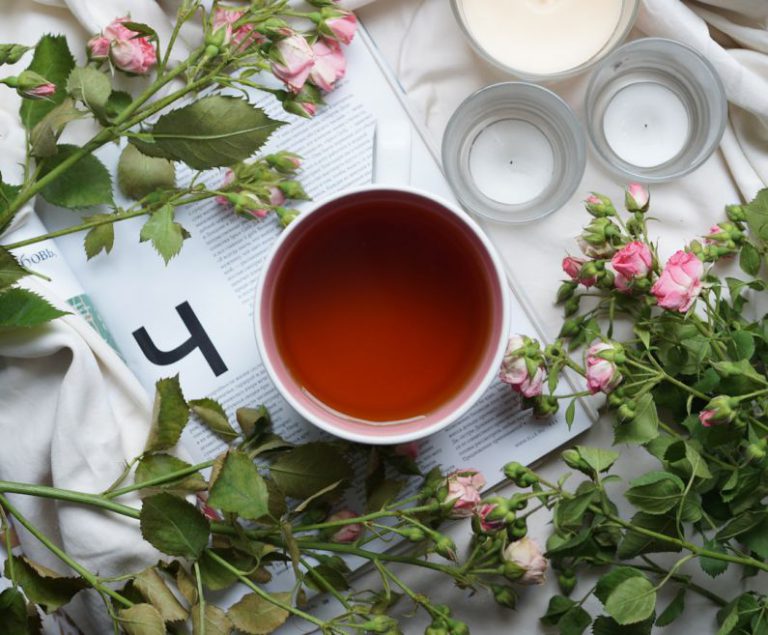
To fully appreciate the nuanced flavors of Darjeeling tea, it is essential to brew it with care. Using freshly boiled water at the right temperature, typically around 90°C, steep the leaves for 3-4 minutes for the perfect infusion. Darjeeling tea can be enjoyed plain or with a splash of milk and a touch of honey to enhance its natural sweetness. Whether enjoyed in the morning to kickstart your day or as a soothing afternoon pick-me-up, Darjeeling tea promises a delightful sensory experience with each sip.
**Health Benefits of Darjeeling Tea**
Aside from its exquisite taste, Darjeeling tea also offers a myriad of health benefits. Rich in antioxidants, Darjeeling tea helps boost immunity, improve digestion, and promote overall well-being. The catechins found in Darjeeling tea have been linked to reducing the risk of heart disease and improving cardiovascular health. Additionally, the moderate caffeine content in Darjeeling tea can provide a gentle energy boost without the jittery side effects associated with coffee.
**Embracing the Darjeeling Experience**
For tea connoisseurs and enthusiasts alike, Darjeeling tea represents the pinnacle of tea craftsmanship and artistry. Its unparalleled quality and sophisticated flavors make it a beverage worth savoring and celebrating. Whether you prefer the light and floral notes of the first flush or the bold and fruity undertones of the second flush, Darjeeling tea offers a sensory journey that is unmatched by any other tea variety.
**In Conclusion: The Elegance in Every Sip**
Darjeeling tea stands out as a true gem in the world of teas, embodying elegance and refinement in every sip. Its distinct characteristics and rich history make it a tea that is cherished by tea lovers worldwide. From the misty slopes of the Himalayas to your teacup, Darjeeling tea invites you to indulge in a sensory experience like no other, making it deserving of its title as the “Champagne of Teas.”