Jasmine Tea: How Smell Can Influence Taste
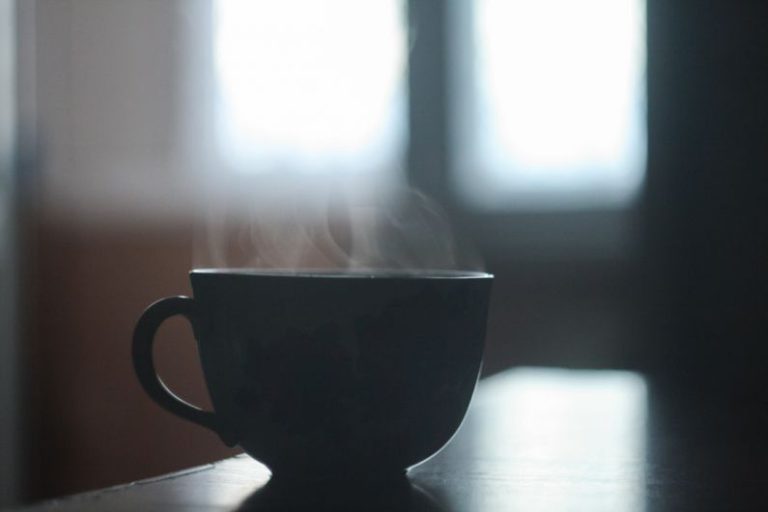
Picture this: you’re sitting down to enjoy a warm cup of jasmine tea. As you take your first sip, you’re instantly transported by the delicate floral aroma that fills your senses. But have you ever stopped to think about how the smell of jasmine can actually influence the taste of the tea itself? In this article, we will explore the fascinating relationship between smell and taste when it comes to jasmine tea.
The Power of Aroma in Jasmine Tea
When it comes to experiencing the full flavor profile of jasmine tea, the aroma plays a crucial role. The delicate scent of jasmine flowers that is infused into the tea leaves during the production process not only enhances the overall sensory experience but also impacts the way we perceive the taste of the tea.
Unlike other types of tea that rely solely on the taste buds to discern flavor, jasmine tea engages both the olfactory system and the taste buds, creating a multi-dimensional tasting experience. The aroma of jasmine is known for its calming and soothing properties, which can further enhance the enjoyment of the tea-drinking experience.
The Influence of Smell on Taste Perception
Our sense of smell is closely linked to our sense of taste, with the olfactory system playing a crucial role in how we perceive flavors. When we smell something, our brain processes that information and combines it with signals from our taste buds to create a holistic flavor experience.
In the case of jasmine tea, the floral aroma of the jasmine flowers interacts with the taste receptors on our tongue, creating a complex and nuanced flavor profile. The sweet, floral notes of jasmine can enhance the natural sweetness of the tea leaves, creating a harmonious balance of flavors that is both refreshing and aromatic.
The Role of Aromatherapy in Tea Drinking
Beyond simply enhancing the taste of jasmine tea, the aroma of jasmine has long been associated with various health benefits, particularly in the realm of aromatherapy. The calming and relaxing properties of jasmine have been known to reduce stress and anxiety, making jasmine tea not only a delightful beverage but also a soothing tonic for the mind and body.
By incorporating jasmine tea into your daily routine, you can harness the power of aromatherapy to promote relaxation and well-being. The gentle aroma of jasmine can help create a sense of tranquility and peace, making it the perfect beverage to enjoy during moments of self-care and reflection.
Exploring Different Varieties of Jasmine Tea
Jasmine tea comes in a variety of forms, each offering a unique aroma and flavor profile. From delicate green teas infused with jasmine flowers to bold black teas blended with jasmine essence, there is a jasmine tea to suit every palate.
Green jasmine tea is prized for its fresh and floral aroma, with a light and refreshing taste that is perfect for savoring on a warm afternoon. Black jasmine tea, on the other hand, offers a more robust flavor profile, with hints of malt and caramel complementing the sweet floral notes of the jasmine.
Conclusion: The Art of Savoring Jasmine Tea
In the world of tea appreciation, jasmine tea stands out for its ability to engage both the senses of smell and taste in a harmonious symphony of flavors. By savoring the aroma of jasmine tea and allowing it to influence your perception of taste, you can unlock a truly immersive tea-drinking experience that is both satisfying and soul-nourishing. So the next time you brew a cup of jasmine tea, take a moment to inhale deeply and let the enchanting aroma transport you to a place of tranquility and delight.