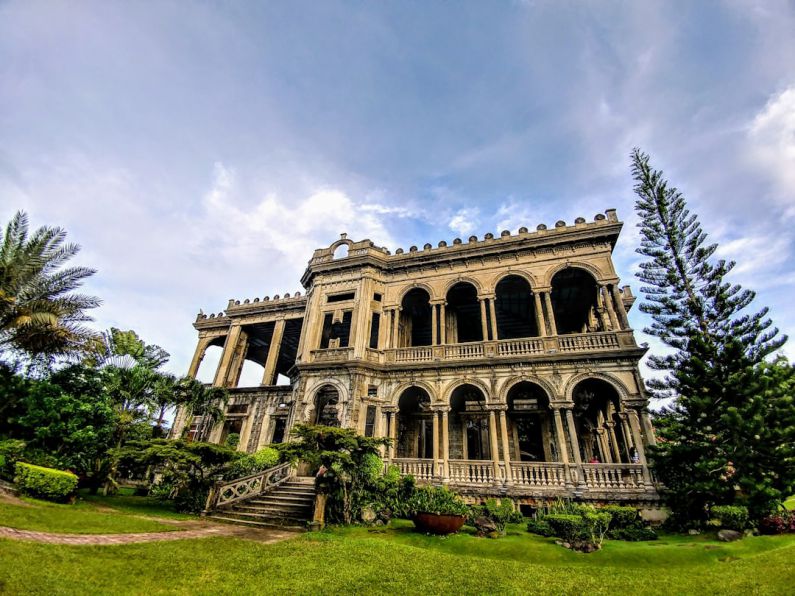
Philippine Teas: an Unexplored World of Flavors
**Philippine Teas: an Unexplored World of Flavors**
The Philippines, a country known for its stunning beaches, vibrant festivals, and delicious cuisine, is also a treasure trove of unique teas waiting to be discovered. While tea culture may not be as prominent in the Philippines compared to its Asian neighbors like China and Japan, the country boasts a variety of teas that reflect its rich cultural heritage and diverse flora. From herbal infusions to traditional blends, exploring the world of Philippine teas is a delightful journey for tea enthusiasts and curious palates alike.
**A Cultural Tapestry in a Cup**
Tea-drinking in the Philippines dates back to the Spanish colonial period when the beverage was introduced to the locals. Over time, Filipinos have incorporated their own twist to tea-making, infusing it with local ingredients and flavors. The result is a diverse collection of teas that reflect the country’s cultural tapestry, blending indigenous traditions with foreign influences.
**Tasting the Flavors of the Philippines**
One of the most popular Philippine teas is the tanglad or lemongrass tea. Known for its citrusy and refreshing taste, lemongrass tea is commonly enjoyed for its calming properties and digestive benefits. Another local favorite is the pandan tea, made from the fragrant leaves of the pandan plant. This tea exudes a sweet, floral aroma and is often consumed for its soothing effects.
**Exploring Indigenous Ingredients**
The Philippines is home to a wealth of indigenous ingredients that add unique flavors to its teas. One such ingredient is the malunggay or moringa, known for its health benefits and earthy taste. Malunggay tea is packed with nutrients and is believed to boost the immune system. Another intriguing ingredient is the guyabano or soursop, which lends a tropical twist to teas with its tangy and slightly sweet flavor.
**Reviving Traditional Tea Blends**
In recent years, there has been a resurgence of interest in traditional Philippine tea blends that have been passed down through generations. One such blend is the tsaa-anghod, a concoction made from a mix of local herbs and spices. Tsaa-anghod is valued for its medicinal properties and is often used as a natural remedy for common ailments. By rediscovering these traditional blends, tea enthusiasts can experience a taste of Philippine heritage in every sip.
**Embracing Sustainability and Ethical Practices**
As the global demand for tea continues to rise, there is a growing emphasis on sustainability and ethical practices in the tea industry. In the Philippines, tea producers are increasingly focused on cultivating teas in an environmentally friendly manner, supporting local farmers, and promoting fair trade practices. By choosing Philippine teas that prioritize sustainability and ethical sourcing, consumers can enjoy their favorite brews with a clear conscience.
**Savoring the Exotic**
From the lush mountains of the Cordilleras to the tropical shores of Mindanao, Philippine teas offer a glimpse into the country’s diverse landscapes and flavors. Each cup tells a story of heritage, innovation, and the vibrant spirit of Filipino culture. Whether you’re a tea aficionado or a curious explorer, diving into the world of Philippine teas is a journey filled with exotic delights waiting to be savored.
**In a Cup of Philippine Tea**
In a cup of Philippine tea, you’ll find more than just a beverage – you’ll discover a taste of history, a touch of tradition, and a sip of the Philippines’ rich and flavorful heritage. So, next time you reach for your favorite brew, why not explore the uncharted waters of Philippine teas and embark on a sensory adventure unlike any other? Raise your cup, take a sip, and let the flavors of the Philippines transport you to a world of exotic delights.