Brewing Chai: a Journey of Flavor and Aroma
Indulging in a cup of chai is like embarking on a sensory journey that awakens the taste buds and comforts the soul. This beloved beverage, originating from the Indian subcontinent, has gained popularity worldwide for its unique blend of spices and robust flavors. From its rich history to the art of brewing the perfect cup, let’s delve into the enchanting world of chai.
The Origins of Chai
Chai, which simply means “tea” in Hindi, holds a special place in Indian culture. Its origins can be traced back thousands of years to the Ayurvedic tradition, where medicinal herbs and spices were combined with tea to create a healing elixir. Over time, chai evolved into a flavorful concoction enjoyed by people of all walks of life.
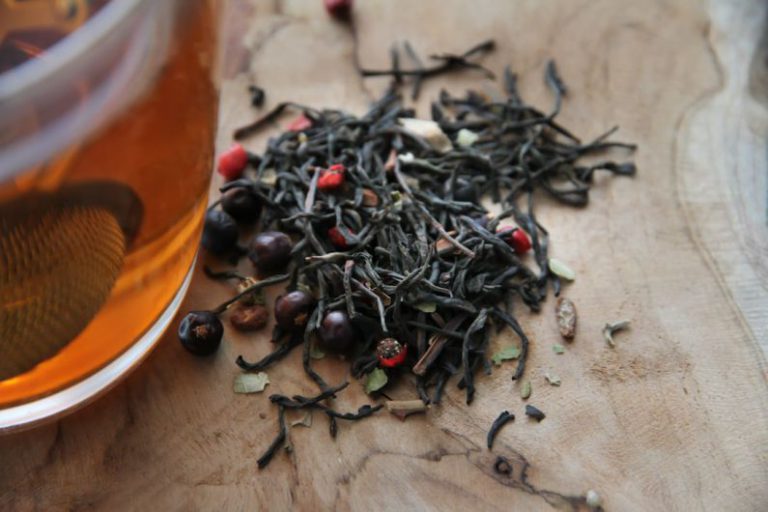
The traditional Indian chai recipe typically includes black tea, milk, sugar, and a blend of spices such as cardamom, cinnamon, cloves, and ginger. Each spice contributes its own unique flavor profile, resulting in a harmonious blend that is both comforting and invigorating.
The Art of Brewing Chai
Brewing the perfect cup of chai is an art form that requires patience and attention to detail. While there are countless variations of chai recipes, the basic method remains the same. Here’s a simple guide to brewing your own delicious chai at home:
Choosing the Right Ingredients: Start with high-quality black tea, whole spices, fresh ginger, milk, and sweetener of your choice. Opt for whole spices rather than ground for a more intense flavor.
Infusing the Spices: In a saucepan, combine water, spices, and ginger. Bring to a gentle simmer and let the spices infuse the water for a few minutes, releasing their aromatic oils.
Adding Tea and Milk: Once the spices have infused the water, add black tea and milk to the saucepan. Let the mixture simmer until the flavors meld together and the tea is brewed to your desired strength.
Sweetening and Straining: Add sweetener such as sugar or honey to taste, then strain the chai to remove the spices and tea leaves. Serve hot and enjoy the comforting aroma of freshly brewed chai.
Chai Around the World
While traditional Indian chai holds a special place in the hearts of many, chai has also been adapted and reimagined in various cultures around the world. In the United States, chai latte, a creamy and spiced tea drink, has become a popular choice in coffee shops and cafes.
In Thailand, “cha-yen” or Thai iced tea is a sweet and refreshing beverage made with black tea, condensed milk, and spices like star anise and tamarind. This vibrant orange-colored drink is a favorite among locals and tourists alike.
In Morocco, mint tea, known as “atai” or “nana,” is a fragrant blend of green tea, fresh mint leaves, and sugar. Served in ornate tea glasses, Moroccan mint tea is a symbol of hospitality and is often enjoyed during social gatherings and celebrations.
The Future of Chai
As the world becomes more interconnected, the popularity of chai continues to grow beyond its traditional boundaries. From innovative chai blends to ready-to-drink options, chai enthusiasts have a plethora of choices to explore.
Whether you prefer a classic cup of masala chai or a modern twist on this timeless beverage, one thing remains certain: chai will always hold a special place in the hearts and cups of tea lovers around the world.
In conclusion,
The journey of brewing chai is not just about creating a delicious beverage; it is a celebration of culture, tradition, and the joy of sharing a cup of tea with loved ones. So, the next time you savor a steaming mug of chai, take a moment to appreciate the intricate flavors and aromas that make this beloved drink a true delight for the senses.