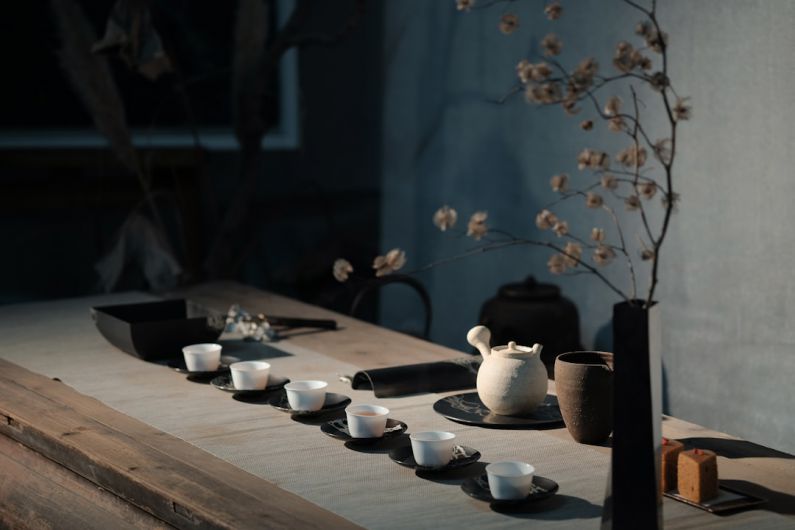
Brewing Oolong: a Stage-by-stage Process
Oolong tea is a beloved beverage known for its complex flavors and aromas, sitting between green and black tea in terms of oxidation. The meticulous process of brewing Oolong involves several stages that contribute to the unique characteristics of this traditional tea. From selecting high-quality leaves to mastering the art of infusion, each step plays a crucial role in bringing out the full potential of Oolong tea.
Selecting the Finest Leaves
The journey of brewing Oolong begins with the careful selection of high-quality tea leaves. Oolong tea is typically made from larger, more mature leaves, which are plucked by hand to ensure the utmost quality. The leaves are often harvested during specific seasons to capture the optimal flavor profile, with spring and autumn harvests being particularly prized for their unique characteristics.
Withering and Wilting
After the leaves are harvested, they undergo a process known as withering or wilting. This stage involves laying out the leaves to dry slightly, allowing them to wilt and reduce moisture content. Withering helps to prepare the leaves for the subsequent steps of oxidation and rolling, ultimately shaping the final flavor of the Oolong tea.
Oxidation
Oxidation plays a critical role in determining the flavor profile of Oolong tea. Unlike green tea, which undergoes minimal oxidation, and black tea, which is fully oxidized, Oolong tea falls somewhere in between. The level of oxidation can vary depending on the desired outcome, with lighter Oolongs being less oxidized and darker Oolongs undergoing a more extensive oxidation process.
Rolling and Shaping
The next stage in brewing Oolong involves rolling and shaping the leaves to release their essential oils and flavors. This step is crucial for developing the unique characteristics of Oolong tea, such as its floral notes and complex flavors. The leaves are gently rolled to break down cell walls and release enzymes, setting the stage for the final infusion process.
Firing or Roasting
After the leaves have been rolled and shaped, they are fired or roasted to halt the oxidation process and lock in the flavors. Firing can be done using various methods, including pan-firing, oven-roasting, or sun-drying, each imparting its unique nuances to the final tea. The firing process also helps to remove excess moisture from the leaves, ensuring a balanced and flavorful brew.
Infusion and Enjoyment
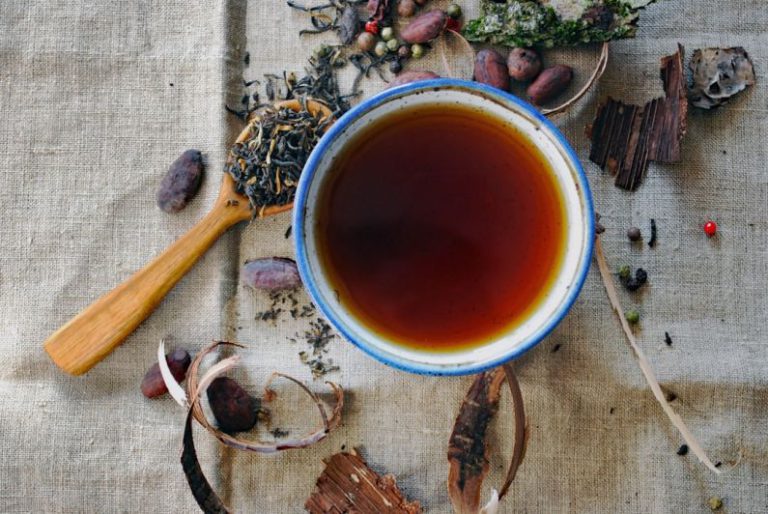
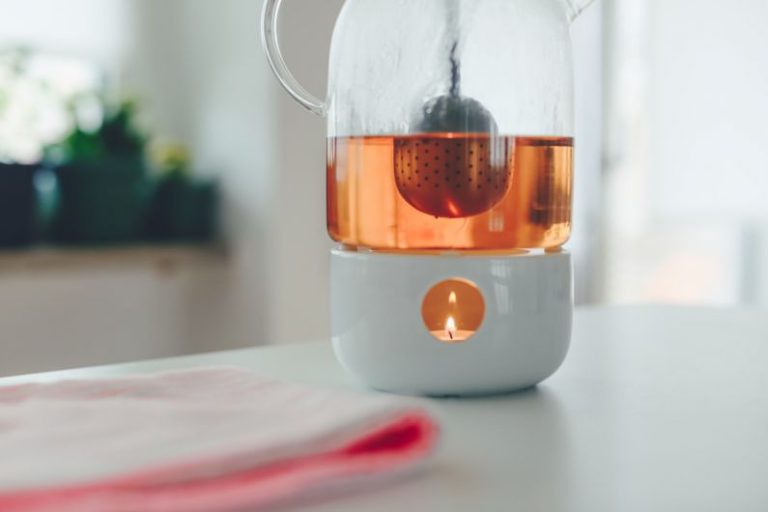
Once the Oolong leaves have been carefully processed and prepared, it’s time to brew the perfect cup of tea. The art of infusion involves steeping the leaves in hot water for a precise amount of time to extract the optimal flavors and aromas. Oolong tea is best brewed at lower temperatures than black tea, typically between 180-200°F, to preserve its delicate nuances.
Savoring the Moment
As you take that first sip of freshly brewed Oolong tea, savor the moment and appreciate the intricate journey that brought this exquisite beverage to your cup. The complex flavors, floral aromas, and lingering aftertaste are a testament to the craftsmanship and dedication that go into brewing Oolong tea. Whether enjoyed hot or cold, Oolong tea offers a sensory experience like no other, inviting you to slow down and appreciate the simple pleasure of a well-brewed cup of tea.
In conclusion, brewing Oolong tea is a labor of love that requires patience, skill, and attention to detail. Each stage of the process contributes to the final flavor profile, resulting in a tea that is as nuanced as it is delicious. From selecting the finest leaves to mastering the art of infusion, brewing Oolong is a journey that rewards the senses and the soul. So next time you brew a cup of Oolong tea, take a moment to appreciate the craftsmanship and tradition that make this beverage a true delight for tea lovers around the world.