Mastering Temperature: Water Heat and Tea Brew
As tea lovers, we appreciate the art of brewing the perfect cup of tea. It’s not just about the quality of the tea leaves or the steeping time; water temperature plays a vital role in unlocking the full flavor profile of your favorite brew. Understanding how water heat influences the brewing process is key to mastering the art of tea-making. Let’s delve into the science behind water heat and its impact on tea brewing.
The Science of Water Temperature
Water temperature is a critical factor in brewing tea because it affects the extraction of flavors and compounds from the tea leaves. Different types of tea require specific water temperatures to bring out their unique characteristics. Water that is too hot can scorch delicate tea leaves, resulting in a bitter and astringent brew. On the other hand, water that is too cool may not extract enough flavor, leaving you with a weak and insipid cup of tea.
Green Tea: Embrace the Cool Side
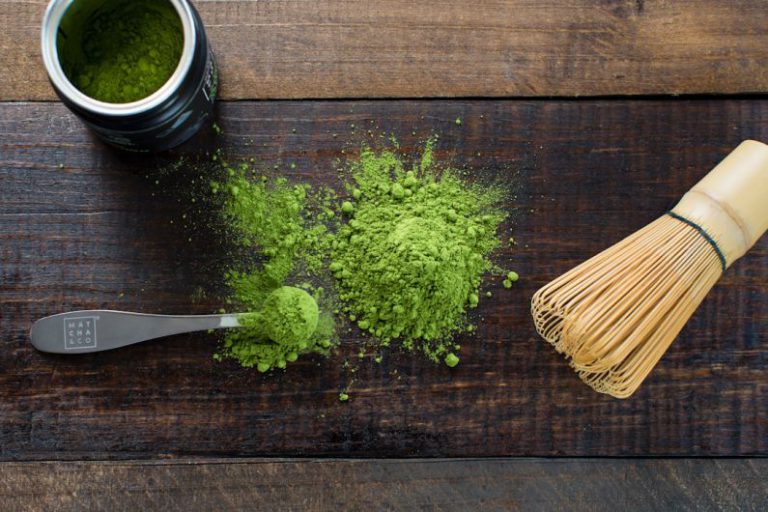
Green tea is known for its delicate flavors and subtle nuances. To brew the perfect cup of green tea, it’s essential to use water that is around 175°F (80°C). Water that is too hot can destroy the delicate flavors of green tea, resulting in a bitter taste. By using slightly cooler water, you can extract the sweet and grassy notes that make green tea so refreshing.
Black Tea: Embrace the Heat
Black tea, with its robust flavors and bold character, benefits from hotter water temperatures. To brew black tea properly, use water that is around 200-212°F (93-100°C). The high temperature helps extract the full-bodied richness and malty notes that are characteristic of black tea. Brewing black tea with water that is too cool may result in a weak and lackluster brew that fails to capture the tea’s full potential.
Oolong Tea: Finding the Balance
Oolong tea falls somewhere between green and black tea in terms of flavor profile and water temperature requirements. For oolong tea, aim for a water temperature between 185-205°F (85-96°C) to bring out its complex floral and fruity notes. Experimenting with different water temperatures can help you find the perfect balance that suits your taste preferences.
White Tea: Gentle Heat for Delicate Flavors
White tea is known for its subtle and delicate flavors, making it crucial to use low water temperatures when brewing. Aim for water that is around 160-180°F (71-82°C) to preserve the delicate floral and sweet notes of white tea. Steeping white tea in water that is too hot can overpower its delicate flavors, resulting in a disappointing brew.
Herbal Tea: Customize Your Brew
Herbal teas encompass a wide range of flavors and ingredients, each requiring specific water temperatures for optimal brewing. While some herbal teas, such as chamomile or peppermint, can withstand boiling water, others, like delicate floral blends, may benefit from cooler temperatures. Experimenting with different water temperatures can help you discover the ideal brewing conditions for your favorite herbal teas.
The Art of Tea Brewing
Mastering the art of tea brewing involves more than just steeping tea leaves in hot water. By paying attention to water temperature and understanding how it influences the flavor profile of different types of tea, you can elevate your tea-drinking experience to new heights. Experiment with various water temperatures, take note of the flavors that emerge, and adjust your brewing technique accordingly to unlock the full potential of your favorite teas.
Embrace the Ritual
Brewing the perfect cup of tea is a ritual that connects us to the ancient traditions and cultural significance of this beloved beverage. By mastering the art of water heat and tea brew, you can unlock a world of flavors and aromas that will tantalize your taste buds and nourish your soul. So, the next time you prepare a cup of tea, remember the importance of water temperature and savor the magical alchemy that occurs when tea leaves meet hot water. Cheers to the art of tea brewing and the joy it brings to our lives.