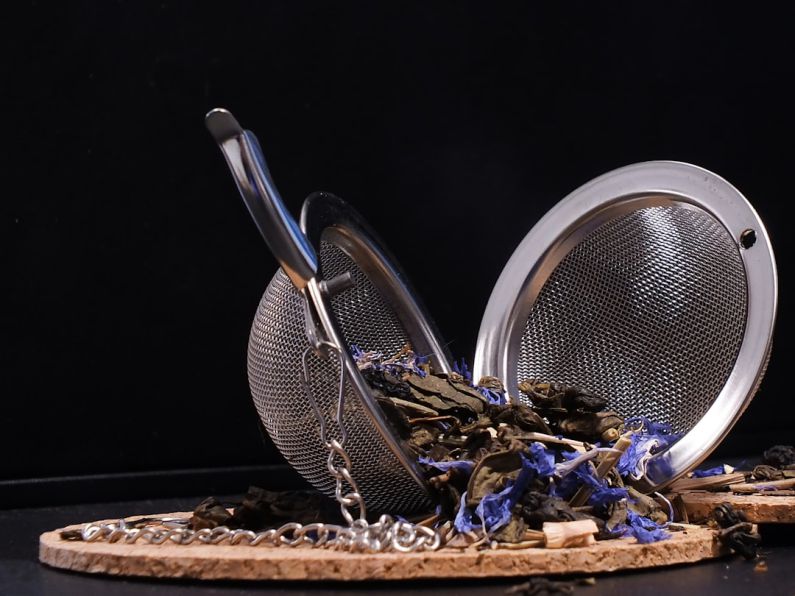
Tea Infusion Time: Forget Rush, Think Leisure
There is a certain art to making a perfect cup of tea. From selecting the right blend to the water temperature, every step plays a crucial role in determining the final flavor. However, one aspect that is often overlooked but holds immense significance is the infusion time. In our fast-paced world, where everything is about instant gratification, taking the time to let your tea steep properly can make a world of difference in taste and experience. Let’s delve into the importance of tea infusion time and why it’s worth slowing down for.
The Magic of Infusion Time
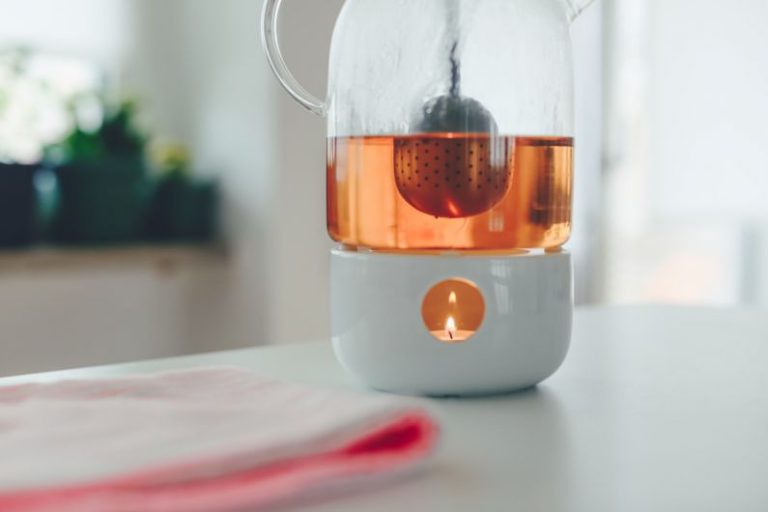
Infusion time refers to the duration for which the tea leaves are left to steep in hot water. This process allows the leaves to release their flavors, aromas, and nutrients into the water, creating a rich and complex brew. The length of infusion time varies depending on the type of tea – black, green, white, oolong, or herbal – and even within each category, different varieties may require different steeping times. By following the recommended infusion time for your tea of choice, you can unlock its full potential and savor a truly delightful cup.
Savoring the Experience
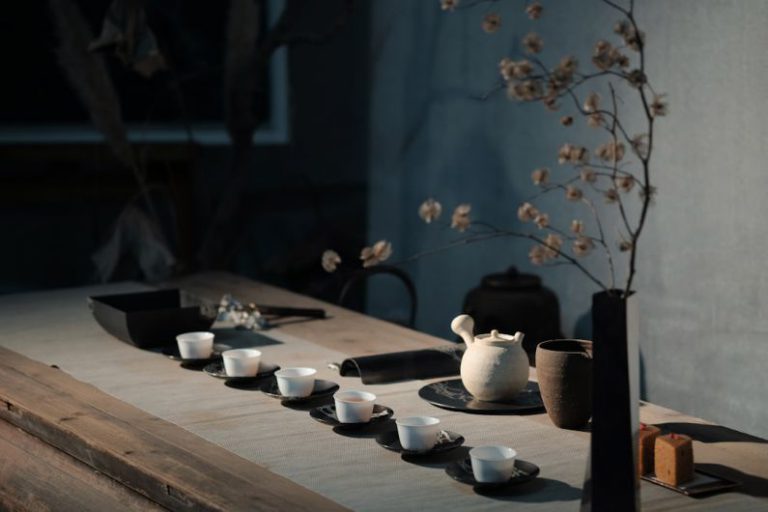
In a world where everything moves at lightning speed, taking the time to prepare a cup of tea can be a meditative and grounding experience. The ritual of boiling the water, measuring out the tea leaves, and patiently waiting for the infusion to complete can be a welcome break from the hustle and bustle of daily life. Instead of rushing through the process, embrace it as a moment of mindfulness and self-care. Allow yourself to fully immerse in the sights, sounds, and scents of tea-making, and let the soothing aroma of the brew calm your senses.
Enhancing Flavor and Aroma
The infusion time directly impacts the flavor profile of your tea. Steeping the leaves for too short a time may result in a weak and insipid brew, while oversteeping can lead to bitterness and astringency. By finding the perfect balance and allowing the tea to infuse for the right amount of time, you can extract the optimal combination of flavors and aromas. This careful attention to infusion time can elevate your tea-drinking experience from ordinary to extraordinary, allowing you to appreciate the nuances and subtleties of each sip.
Experimenting with Infusion Time
While there are general guidelines for infusion times based on the type of tea, the beauty of tea-making lies in its versatility and room for experimentation. If you prefer a stronger brew, you can try increasing the infusion time slightly or using more tea leaves. Conversely, if you enjoy a lighter flavor, reducing the infusion time may be the way to go. Keep a journal of your tea-making adventures, noting the infusion times and how they affect the taste of your brew. Over time, you’ll develop a keen sense of what works best for your palate and preferences.
Tea Infusion Beyond Taste
Tea infusion time is not just about flavor; it also plays a role in the overall experience of enjoying a cup of tea. The act of waiting patiently for the tea to steep can be a moment of anticipation and reflection. It’s a time to pause, breathe, and be present in the moment. By embracing the leisurely pace of tea-making, you can cultivate a sense of mindfulness and appreciation for the simple pleasures in life.
Embracing the Slow Tea Movement
In a world obsessed with speed and efficiency, the slow tea movement advocates for a more deliberate and mindful approach to tea-drinking. By focusing on the infusion time and allowing the tea to steep at its own pace, we can reconnect with the ancient tradition of tea-making and savor the experience in its entirety. So, the next time you reach for a cup of tea, forget about rushing through the process. Instead, think of it as an opportunity to slow down, unwind, and indulge in a moment of tranquility and taste.