Decoding the Timeless Art of Tea Brewing: Pt Ii – Herbal Tea
Tea brewing is a delicate art form that has been perfected over centuries, with each type of tea requiring its own unique approach to unlock its full flavor potential. In this second part of our series on decoding the timeless art of tea brewing, we delve into the world of herbal tea – a category that offers a diverse range of flavors and health benefits.
Exploring the World of Herbal Tea
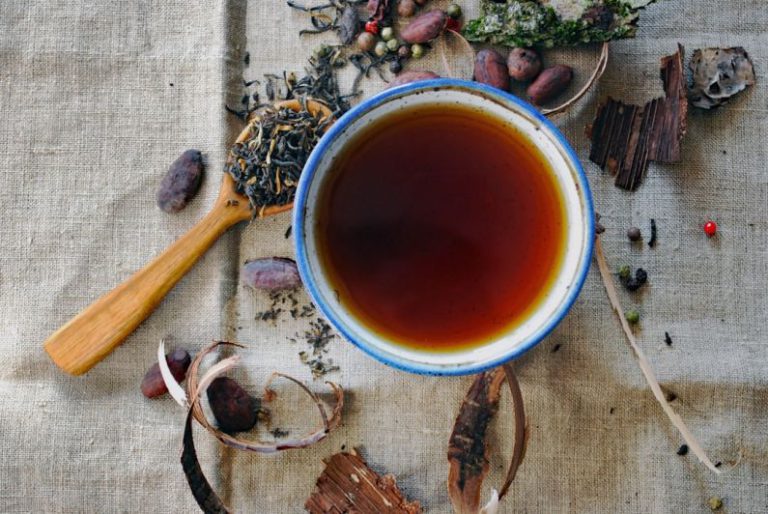
Herbal tea, also known as tisane, is a caffeine-free infusion made from the leaves, flowers, roots, or berries of various plants. Unlike true teas like green, black, or oolong tea, herbal teas do not come from the Camellia sinensis plant. Instead, they are crafted from an assortment of botanical ingredients, each imparting its own unique flavor profile and health properties.
Varieties of Herbal Tea
The world of herbal tea is vast and diverse, with countless varieties to choose from. Some popular herbal teas include chamomile, peppermint, hibiscus, ginger, and rooibos. Each type of herbal tea offers distinct flavors and potential health benefits, making it essential to explore different options to find the ones that best suit your preferences and needs.
Brewing Herbal Tea: The Art of Infusion
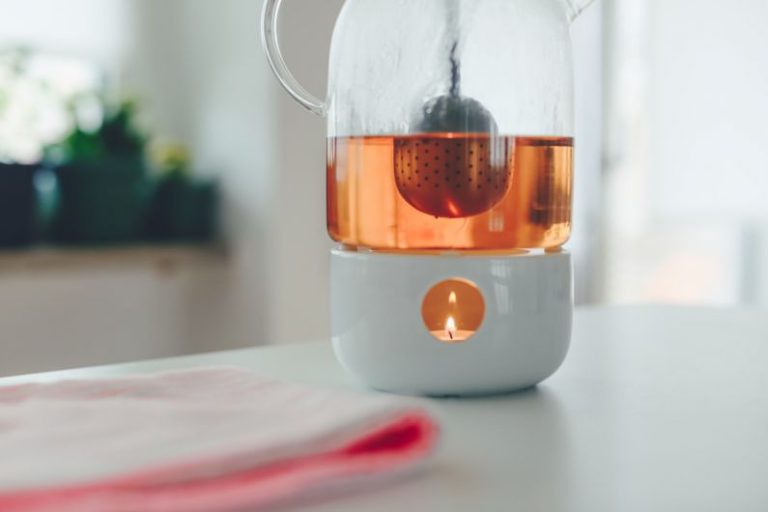
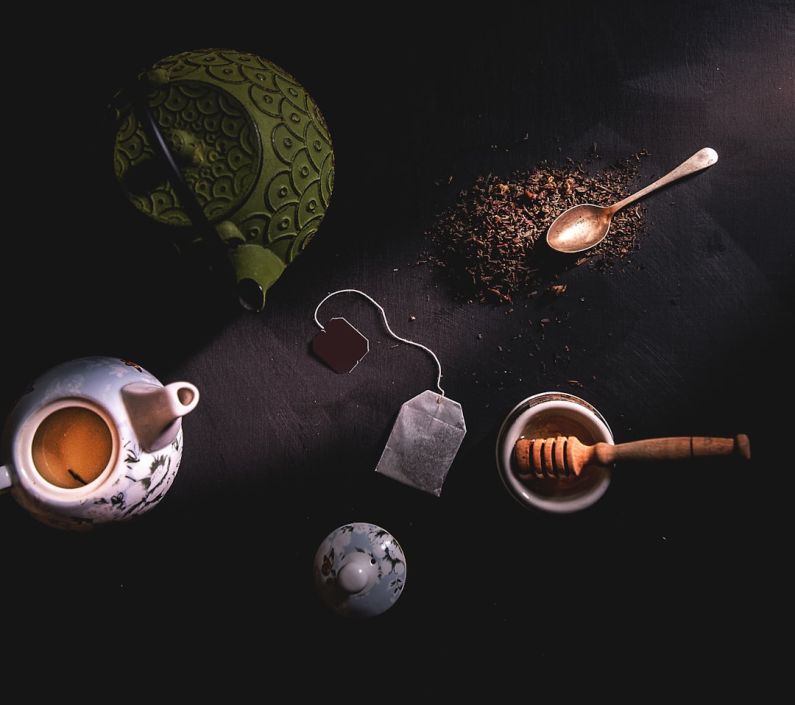
Brewing herbal tea is a simple yet nuanced process that requires attention to detail to achieve the perfect cup. To brew herbal tea, start by selecting high-quality loose leaf herbs or tea bags. For loose leaf herbal teas, use about one to two teaspoons of herbs per cup of water. If using tea bags, follow the instructions provided on the packaging for the recommended steeping time and water temperature.
Steeping herbal tea involves allowing the herbs to infuse in hot water to extract their flavors and beneficial compounds. The ideal steeping time for herbal tea can vary depending on the type of herbs used, but a general guideline is to steep for 5-10 minutes. Be cautious not to oversteep herbal tea, as it can lead to a bitter taste.
Enhancing Herbal Tea: Tips and Tricks
To elevate your herbal tea brewing experience, consider experimenting with different brewing techniques and flavor combinations. For example, you can enhance the flavor of chamomile tea by adding a slice of fresh lemon or a drizzle of honey. Mint tea can be transformed with a sprig of fresh mint leaves or a dash of cinnamon.
Furthermore, you can create your own custom herbal tea blends by mixing different herbs and spices to create unique flavor profiles. For example, a blend of lemongrass, ginger, and turmeric can create a soothing and invigorating tea with a hint of spice.
The Health Benefits of Herbal Tea
One of the most appealing aspects of herbal tea is its potential health benefits. Many herbs used in herbal teas are rich in antioxidants, vitamins, and minerals that can support overall well-being. For example, chamomile tea is known for its calming properties and can help promote relaxation and improve sleep quality. Peppermint tea is valued for its digestive benefits and can help alleviate bloating and indigestion.
Closing Thoughts: Embracing the Art of Herbal Tea Brewing
As you embark on your journey into the world of herbal tea, remember that brewing tea is not just a process – it is an art form that allows you to engage all your senses and savor the moment. By exploring different herbal teas, experimenting with brewing techniques, and embracing the diverse flavors and health benefits they offer, you can truly immerse yourself in the timeless art of tea brewing.