The Yin and Yang of Chinese Teas: Light and Dark, Green and Red
In the vast world of tea, Chinese teas stand out for their rich history, diverse flavors, and unique characteristics. Among the many varieties of Chinese teas, two broad categories dominate the scene: light teas and dark teas, green teas and red teas. Each type represents a different aspect of the ancient Chinese philosophy of Yin and Yang, offering a harmonious balance of flavors and health benefits. Let’s delve into the fascinating world of Chinese teas and explore the contrasting yet complementary nature of light and dark, green and red teas.
***The Delicate Elegance of Light Teas***
Light teas, also known as green teas, are celebrated for their delicate flavors, fresh aroma, and vibrant green color. These teas undergo minimal oxidation during processing, preserving their natural antioxidants and nutrients. Green teas are typically pan-fired or steamed to halt the oxidation process, resulting in a light and refreshing brew that is brimming with health benefits.
Among the most popular green teas are Longjing (Dragon Well), Bi Luo Chun (Green Snail Spring), and Huangshan Maofeng (Yellow Mountain Fur Peak). Longjing tea, with its flat-pressed leaves and chestnut-like flavor, is revered for its smooth texture and sweet aftertaste. Bi Luo Chun, on the other hand, captivates tea connoisseurs with its fruity aroma and mellow taste. Meanwhile, Huangshan Maofeng entices with its delicate floral notes and lingering finish.
Light teas are cherished for their ability to invigorate the senses, boost metabolism, and promote overall well-being. The subtle sweetness and grassy undertones of green teas make them a popular choice for those seeking a light and refreshing pick-me-up throughout the day.
***The Robust Complexity of Dark Teas***
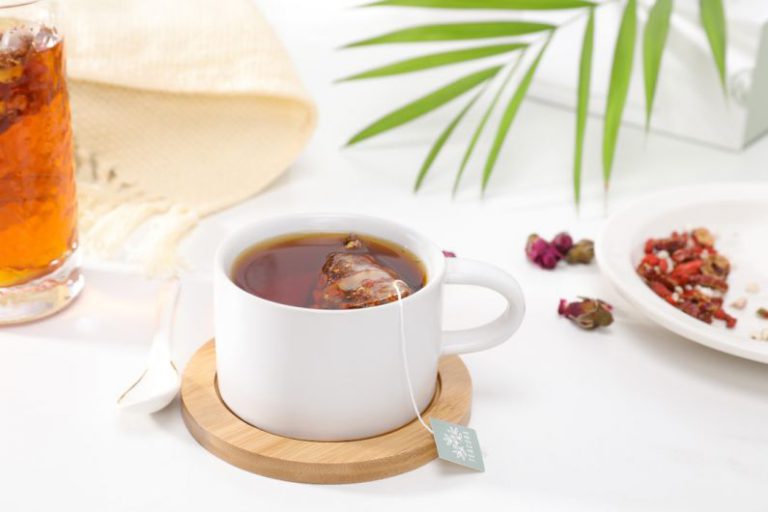
In contrast to the lightness of green teas, dark teas, also known as red teas, offer a rich and robust drinking experience that is steeped in tradition and complexity. Dark teas undergo a longer oxidation process, resulting in a deep reddish-brown hue and a complex flavor profile that evolves with each steeping.
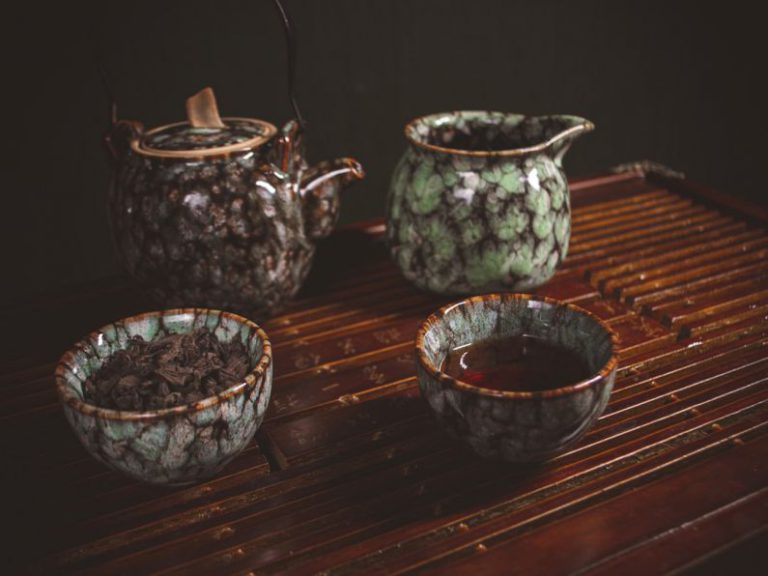
Pu-erh tea, a renowned dark tea from Yunnan province, is prized for its earthy aroma, smooth mouthfeel, and lingering sweetness. This fermented tea improves with age, developing nuanced flavors and increasing depth over time. Another notable dark tea is Dianhong (Yunnan Red), which boasts a malty flavor, golden tips, and a brisk finish that lingers on the palate.
Dark teas are revered for their warming properties, digestive benefits, and ability to promote relaxation and focus. The bold and robust flavors of red teas make them an ideal choice for those seeking a more intense and contemplative tea-drinking experience.
***Harmonizing Yin and Yang Through Tea***
In Chinese philosophy, the concept of Yin and Yang represents the duality and interconnectedness of opposing forces. Light teas embody the Yin energy with their cool, refreshing qualities, while dark teas embody the Yang energy with their warmth and depth. Together, these contrasting teas create a harmonious balance that nourishes the body, mind, and spirit.
By exploring the world of Chinese teas, one can experience the intricate interplay of light and dark, green and red teas. Whether savoring a cup of fragrant Longjing or indulging in the complex flavors of aged Pu-erh, each tea offers a unique sensory journey that celebrates the artistry and tradition of Chinese tea culture.
***Embracing the Diversity of Chinese Teas***
From the verdant hills of Hangzhou to the misty mountains of Yunnan, Chinese teas offer a diverse tapestry of flavors, aromas, and brewing techniques. By embracing the diversity of light and dark, green and red teas, one can embark on a culinary adventure that transcends borders and nourishes the soul. So, the next time you reach for a cup of tea, consider the Yin and Yang of Chinese teas and savor the exquisite balance of flavors that this ancient tradition has to offer.