The Magic of Masala Chai: an Indian Tea Tradition
There is something truly magical about the aromatic blend of spices and tea leaves that make up the beloved Indian beverage known as masala chai. This traditional drink has been a staple in Indian households for centuries, offering not just a delicious flavor but also a host of health benefits. Let’s delve into the world of masala chai and uncover the secrets behind its enduring popularity.
The Origins of Masala Chai
Masala chai, which translates to “spiced tea,” has its roots in ancient Ayurvedic practices in India. The blend of spices used in masala chai, such as ginger, cardamom, cinnamon, cloves, and black pepper, was believed to have medicinal properties that could help with digestion, boost immunity, and provide warmth during the cold winter months. Over time, masala chai evolved from a functional beverage to a beloved cultural tradition enjoyed by people across the country.
The Art of Brewing Masala Chai
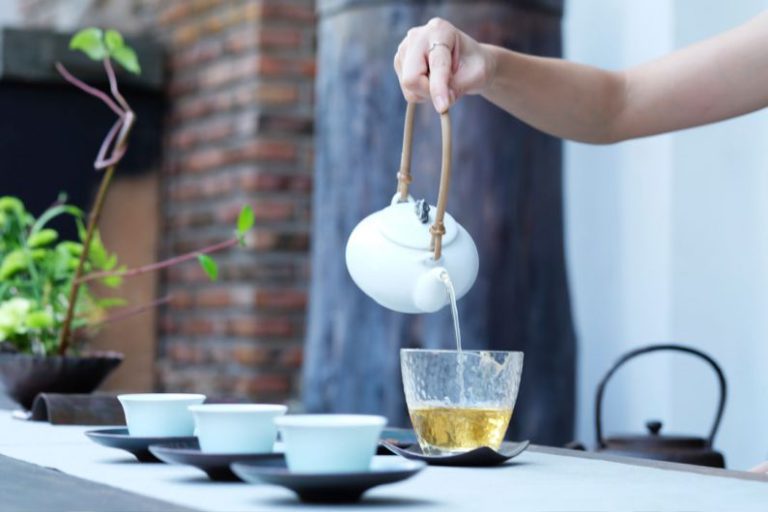
Brewing the perfect cup of masala chai is an art form in itself. Each household in India has its own unique recipe that has been passed down through generations. The process typically involves simmering a mixture of milk, water, black tea leaves, spices, and sweetener over low heat until the flavors meld together harmoniously. The result is a rich, flavorful brew that warms the soul with every sip.
The Health Benefits of Masala Chai
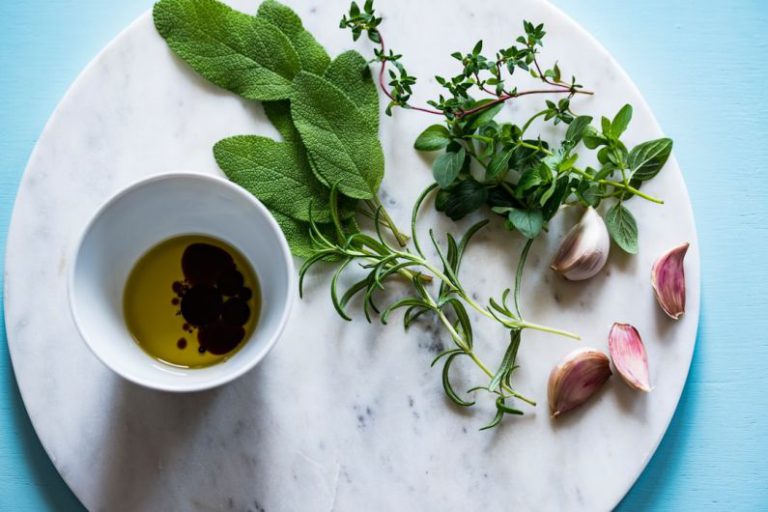
Aside from its delightful taste, masala chai offers a myriad of health benefits thanks to its potent blend of spices. Ginger, a key ingredient in masala chai, is known for its anti-inflammatory and digestive properties. Cardamom aids in detoxification and helps improve digestion, while cinnamon has been shown to regulate blood sugar levels. Cloves and black pepper are both rich in antioxidants and have antimicrobial properties. By incorporating masala chai into their daily routine, many Indians believe they are not just enjoying a delicious beverage but also nourishing their bodies from the inside out.
The Cultural Significance of Masala Chai
In India, masala chai is more than just a beverage – it is a cultural institution. From bustling street vendors selling steaming cups of chai to families gathering around the kitchen table to share stories over a pot of chai, this humble drink has woven its way into the fabric of Indian society. It is offered as a gesture of hospitality to guests, served at weddings and celebrations, and enjoyed as a daily ritual that brings people together. The act of brewing and sharing masala chai is a way to connect with others and create lasting memories.
The Global Appeal of Masala Chai
In recent years, masala chai has gained popularity beyond the borders of India, captivating the taste buds of people around the world. Its unique blend of spices and comforting warmth have made it a favorite choice for those seeking a flavorful alternative to traditional tea or coffee. Masala chai can now be found in cafes, restaurants, and homes across the globe, each with its own twist on the classic recipe. Whether enjoyed hot or cold, with milk or plant-based alternatives, masala chai continues to enchant tea lovers far and wide.
Embracing the Magic of Masala Chai
As we have explored the origins, brewing process, health benefits, cultural significance, and global appeal of masala chai, it is clear that this beloved Indian tea tradition holds a special place in the hearts of many. The next time you savor a cup of masala chai, take a moment to appreciate the magic that lies within each sip – a blend of history, flavor, and community that transcends borders and brings people together in a shared love for this enchanting beverage.