Gongdao Bei: Understanding the Fairness Cup
Tea ceremonies have a rich history that dates back thousands of years, originating in China and spreading to various parts of the world. Gongdao Bei, also known as the Fairness Cup, is a crucial element in Chinese tea culture that carries deep symbolism and significance. Understanding the role of Gongdao Bei in a tea ceremony provides insight into the values of fairness, respect, and harmony that are central to this ancient tradition.
The Symbolism Behind Gongdao Bei
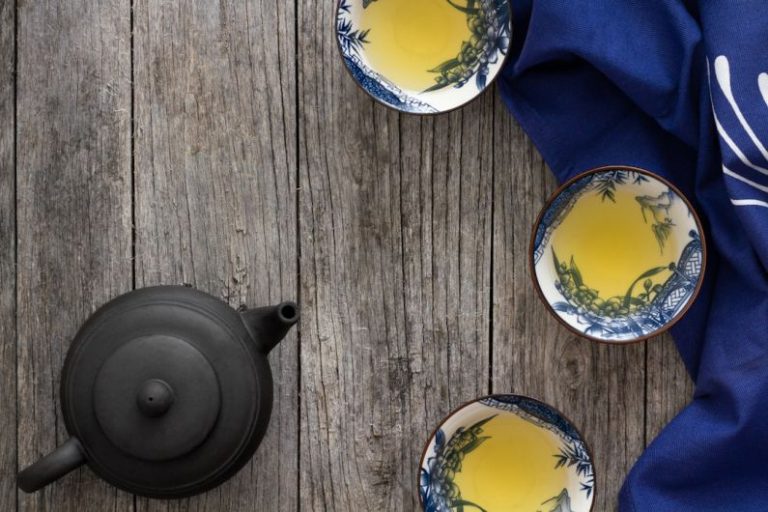
Gongdao Bei, which translates to Fairness Cup, is a small vessel used in traditional Chinese tea ceremonies to ensure that each guest receives an equal and fair share of the brewed tea. This cup embodies the concept of fairness and equality, emphasizing the importance of treating everyone with respect and consideration. In a tea ceremony, the host carefully pours the brewed tea from the teapot into Gongdao Bei before serving it to the guests. This act symbolizes the host’s intention to distribute the tea equally among all participants, regardless of their status or background.
Promoting Fairness and Harmony
The use of Gongdao Bei in a tea ceremony serves as a reminder of the values of fairness and harmony that are essential in social interactions. By ensuring that each guest receives an equal portion of tea, the host demonstrates a commitment to treating everyone with equity and respect. This practice fosters a sense of unity and togetherness among the participants, creating a harmonious atmosphere where all are valued and included. In a world where inequalities and divisions exist, the symbolism of Gongdao Bei carries a powerful message about the importance of fairness and balance in human relationships.
Respecting Tradition and Ritual
Gongdao Bei is not just a vessel for serving tea; it is a symbol of respect for tradition and ritual in Chinese tea culture. The careful and deliberate pouring of tea into Gongdao Bei is a ritualistic practice that honors the centuries-old customs of tea ceremonies. By adhering to these traditions, participants show reverence for the cultural heritage that has been passed down through generations. The use of Gongdao Bei in a tea ceremony is a way of connecting with the past and preserving the rituals that define Chinese tea culture.
A Lesson in Mindfulness and Presence
Beyond its symbolic significance, Gongdao Bei also teaches a lesson in mindfulness and presence. In a tea ceremony, every action is performed with intention and awareness, from the preparation of the tea leaves to the pouring of the brewed tea into Gongdao Bei. This mindful approach encourages participants to be fully present in the moment, savoring each sip of tea and appreciating the simplicity and beauty of the ritual. Gongdao Bei reminds us to slow down, pay attention to the details, and find joy in the act of sharing tea with others.
Embracing the Spirit of Gongdao Bei
In a world that often seems chaotic and divisive, the spirit of Gongdao Bei offers a refreshing perspective on how we can interact with others. By embodying the principles of fairness, respect, and harmony, we can create spaces of inclusivity and connection where everyone feels valued and appreciated. The next time you participate in a tea ceremony or share a cup of tea with friends, remember the symbolism of Gongdao Bei and the values it represents. Let its message inspire you to approach your interactions with mindfulness, generosity, and a commitment to fairness.