White Tea: the Rarest of All Types
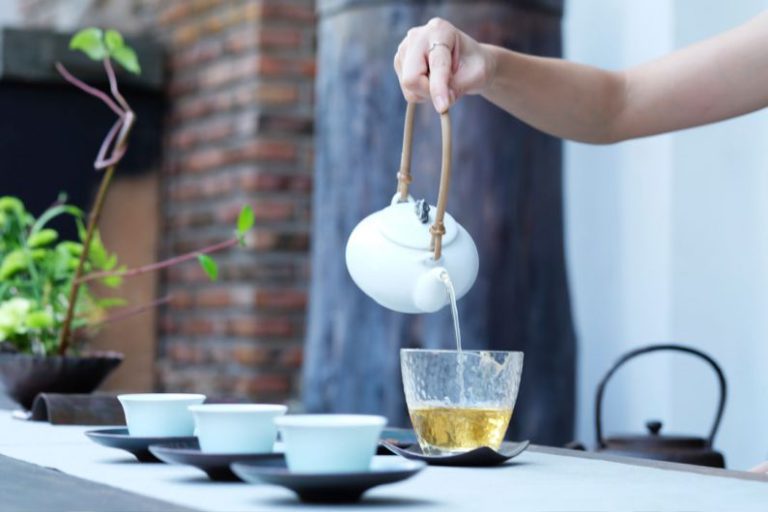
White tea, often referred to as the champagne of teas, is a delicate and rare variety that stands out among its counterparts for its unique production process and subtle flavor profile. While black, green, and oolong teas are more widely consumed and recognized, white tea remains relatively unknown to many tea enthusiasts. In this article, we delve into the world of white tea, exploring its origins, production methods, health benefits, and why it is considered the rarest of all types.
The Origins of White Tea
White tea has a rich history that dates back to ancient China, where it was reserved exclusively for royalty and nobility. Legend has it that white tea was accidentally discovered during the Song Dynasty when tea leaves were left to wither and dry under the sun. This gentle processing method gave birth to a tea that retained its natural color and subtle flavors, setting it apart from other varieties.
Production Process
What sets white tea apart from other types is its minimal processing. White tea is made from the young buds and leaves of the Camellia sinensis plant, which are handpicked during a specific window of time in the spring. These tender leaves are then withered and dried, often under natural sunlight, to preserve their delicate flavors and aromas. Unlike green or black tea, white tea undergoes minimal oxidation, resulting in a light and subtle brew that captures the essence of the tea plant.
Varieties of White Tea
There are several varieties of white tea, each with its unique characteristics and flavors. Silver Needle, also known as Baihao Yinzhen, is one of the most prized white teas, made exclusively from the young buds of the tea plant. Its delicate, sweet flavor and silvery appearance make it a favorite among tea connoisseurs. Another popular variety is White Peony, or Bai Mudan, which includes both buds and leaves in its production, offering a slightly stronger flavor profile with floral notes.
Health Benefits
In addition to its exquisite taste, white tea is also known for its numerous health benefits. Rich in antioxidants and polyphenols, white tea is believed to boost the immune system, improve cardiovascular health, and aid in weight management. Its low caffeine content makes it a gentle option for those looking to reduce their caffeine intake without compromising on flavor. Some studies suggest that white tea may also have anti-inflammatory and anti-aging properties, making it a popular choice for those seeking a wellness boost.
The Rarity of White Tea
What truly sets white tea apart is its rarity. Due to its delicate production process and limited availability, white tea is often considered a luxury item in the world of tea. The labor-intensive nature of handpicking and processing the young buds and leaves means that white tea production is limited compared to other types of tea. This scarcity adds to the allure of white tea, making it a coveted choice for those looking to experience something truly special and unique.
The Growing Popularity of White Tea
Despite its rarity, white tea has been gaining popularity in recent years, thanks to its subtle flavors, health benefits, and exotic appeal. Specialty tea shops and online retailers offer a variety of white tea options, making it more accessible to a broader audience. Many tea enthusiasts are drawn to the purity and simplicity of white tea, appreciating its light body and delicate nuances.
In conclusion, white tea stands out as the rarest of all types, cherished for its unique production process, subtle flavors, and numerous health benefits. Whether you are a seasoned tea lover or a curious beginner, exploring the world of white tea can be a rewarding experience. So next time you seek a moment of tranquility and indulgence, consider brewing a cup of white tea and savoring its delicate elegance.