Unraveling the Tranquility of Blue Tea
**Unraveling the Tranquility of Blue Tea**
Blue tea, also known as butterfly pea flower tea, has been making waves in the world of tea enthusiasts for its mesmerizing hue and potential health benefits. Originating from Southeast Asia, this unique tea is brewed from the dried petals of the Clitoria ternatea plant, which gives it a striking blue color that transforms into a vibrant purple with the addition of citrus juice. Beyond its visual appeal, blue tea offers a range of benefits that have piqued the interest of many. Let’s delve into the tranquil world of blue tea and uncover its secrets.
**The Allure of Blue**
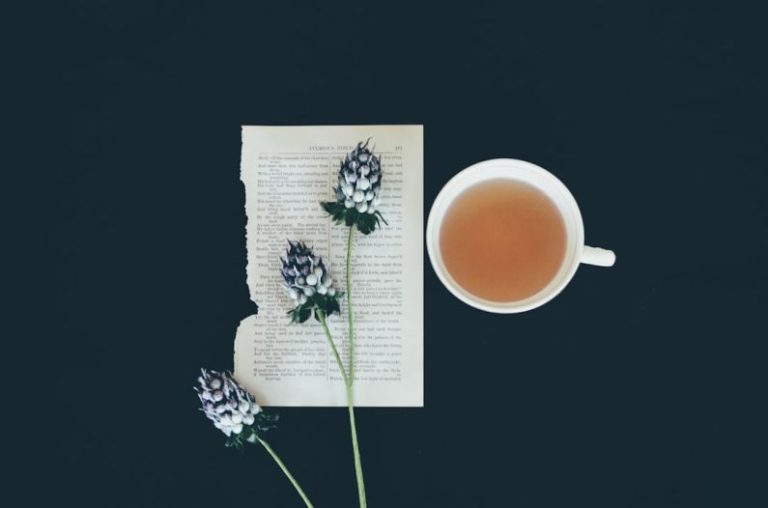
One cannot help but be captivated by the vivid blue hue of butterfly pea flower tea. This natural color comes from the anthocyanins present in the petals of the Clitoria ternatea plant, which are known for their antioxidant properties. The mesmerizing blue color of the tea is not only aesthetically pleasing but also offers a delightful and unique drinking experience. As if sipping on a cup of liquid sapphire, blue tea has a calming effect that can transport you to a state of tranquility with each sip.
**Health Benefits**
Aside from its stunning appearance, blue tea is also praised for its potential health benefits. Rich in antioxidants, butterfly pea flower tea is believed to help fight inflammation and oxidative stress in the body, which can contribute to overall well-being. Additionally, some studies suggest that the anthocyanins in blue tea may have neuroprotective properties, potentially benefiting brain health. Consuming blue tea as part of a balanced diet may offer a refreshing way to boost your antioxidant intake and support your body’s natural defenses.
**Culinary Versatility**
One of the most exciting aspects of blue tea is its culinary versatility. Beyond being enjoyed as a soothing hot beverage, butterfly pea flower tea can be used in a variety of culinary creations. Its color-changing properties make it a fun ingredient to experiment with in cocktails, mocktails, and desserts. Mixologists and chefs alike have embraced blue tea as a creative way to add visual appeal and a touch of whimsy to their creations. From blue-hued lattes to color-changing ice cubes, the possibilities are endless when it comes to incorporating blue tea into your culinary repertoire.
**The Ritual of Brewing**
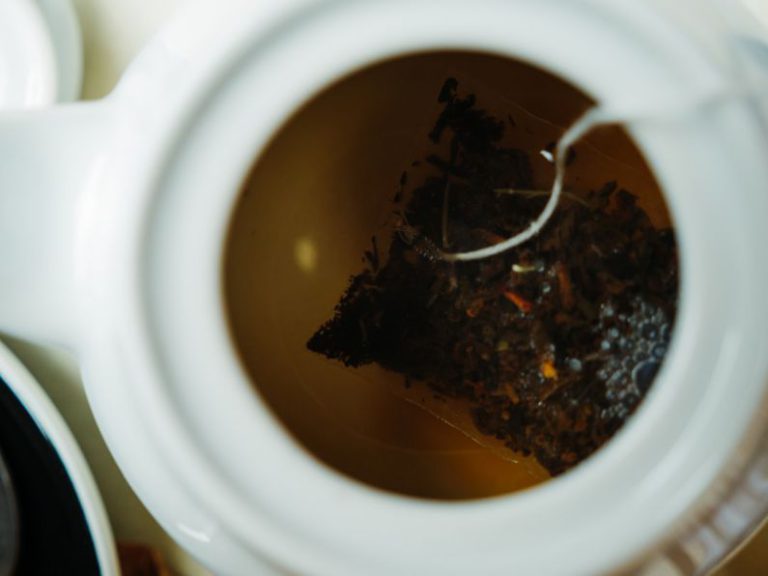
Brewing a cup of blue tea is not just about the end result—it is a ritual that can be both calming and meditative. Watching the dried petals steep in hot water and witnessing the transformation from blue to purple can be a soothing experience that encourages mindfulness and presence in the moment. The gentle floral aroma that wafts from the teacup only adds to the sensory pleasure of enjoying a cup of blue tea. Whether you prefer it hot or iced, taking the time to brew and savor a cup of butterfly pea flower tea can be a simple yet meaningful way to infuse tranquility into your day.
**Embracing the Blue Tea Experience**
In a world filled with a myriad of tea varieties, blue tea stands out as a unique and captivating option for those seeking a touch of tranquility in their daily routine. From its mesmerizing color to its potential health benefits and culinary versatility, butterfly pea flower tea offers a multi-faceted experience that appeals to both the senses and the soul. Embrace the enchanting world of blue tea and let its calming properties wash over you with each sip. Whether enjoyed alone as a moment of peaceful reflection or shared with loved ones as a conversation starter, blue tea has a way of bringing a sense of serenity wherever it goes. Indulge in the beauty and tranquility of blue tea, and let its soothing properties uplift your spirit with every cup.